Founder & Executive Chairman, XPRIZE Foundation Futurist & serial longevity entrepreneur · Los Angeles
The MissionCreating the MovementAbundance over fear, XPRIZE, Abundance360 and a mission to replace dystopian visions with a hopeful, Star-Trek future.
Level 3 · RadicalRadical Life ExtensionLongevity escape velocity, he went from space to longevity because he "needed an extra fifty years," and backs the startups racing to extend healthy life.
Peter H. Diamandis is an engineer, physician, entrepreneur and futurist, and one of the most influential optimists alive. He is founder and executive chairman of the XPRIZE Foundation, whose incentive prizes have driven billions in R&D, and co-founder of Singularity University.
He came to longevity through space. As a young man he built space organisations and helped light the fuse for commercial spaceflight, then realised he "needed an extra fifty years" to see the future he was dreaming of. So he turned to longevity "first and foremost," co-founding Human Longevity, Fountain Life and Lifeforce, and the venture fund BOLD Capital.
An entrepreneur who has started 27 companies, he's the best-selling author of Abundance, Bold, The Future Is Faster Than You Think and Life Force. His message is relentless: the future is faster, and brighter, than we think. "The only day more exciting than today," he says, "is tomorrow."
His mission now is mindset. Convinced that fear of the future is the real brake on progress, he works to replace dystopian, "Mad Max" visions with a hopeful, "Star Trek" one, because if you believe technology is happening for you rather than to you, you'll pick up the agency to build the world you want.
XPRIZE · Founder & ChairmanSingularity University · Co-founderFountain Life · Human LongevityAuthor & futurist
Santa Monica · California
Where we met
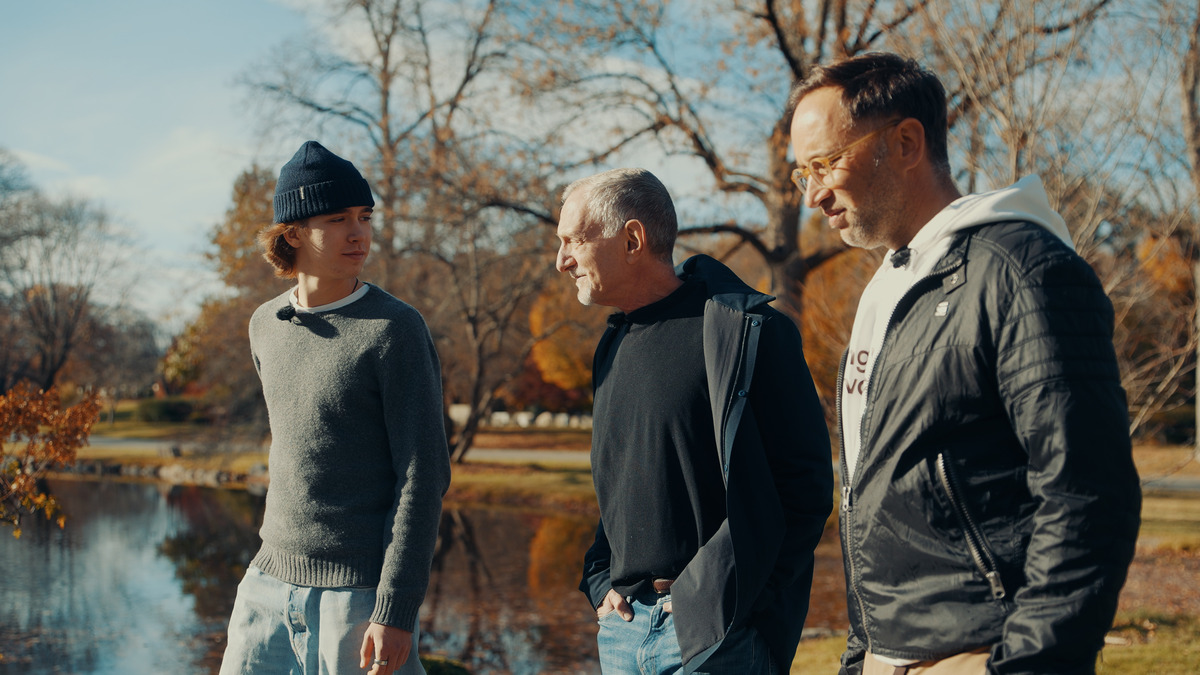
A fast walk through Santa Monica
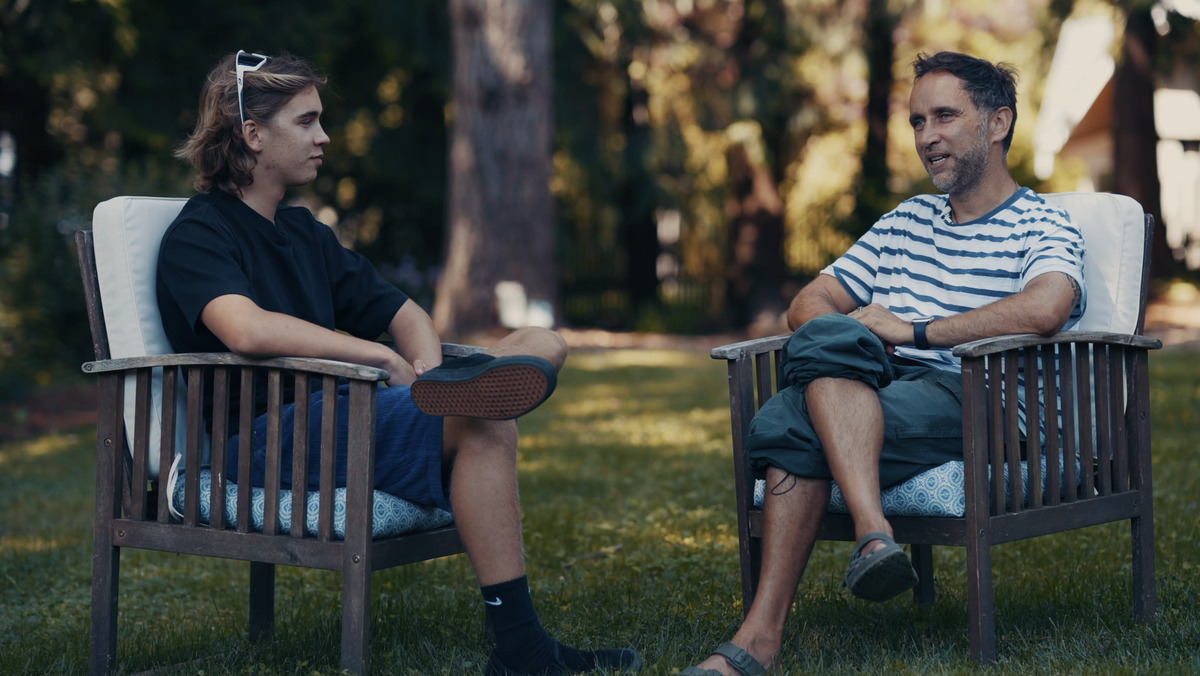
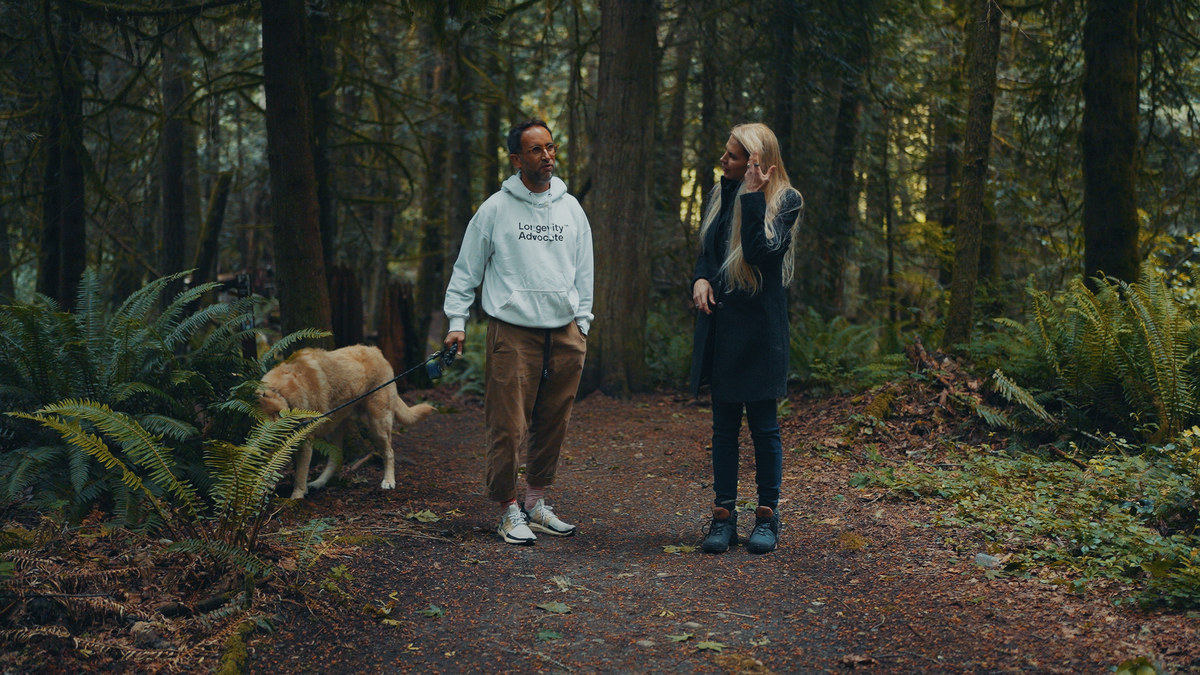
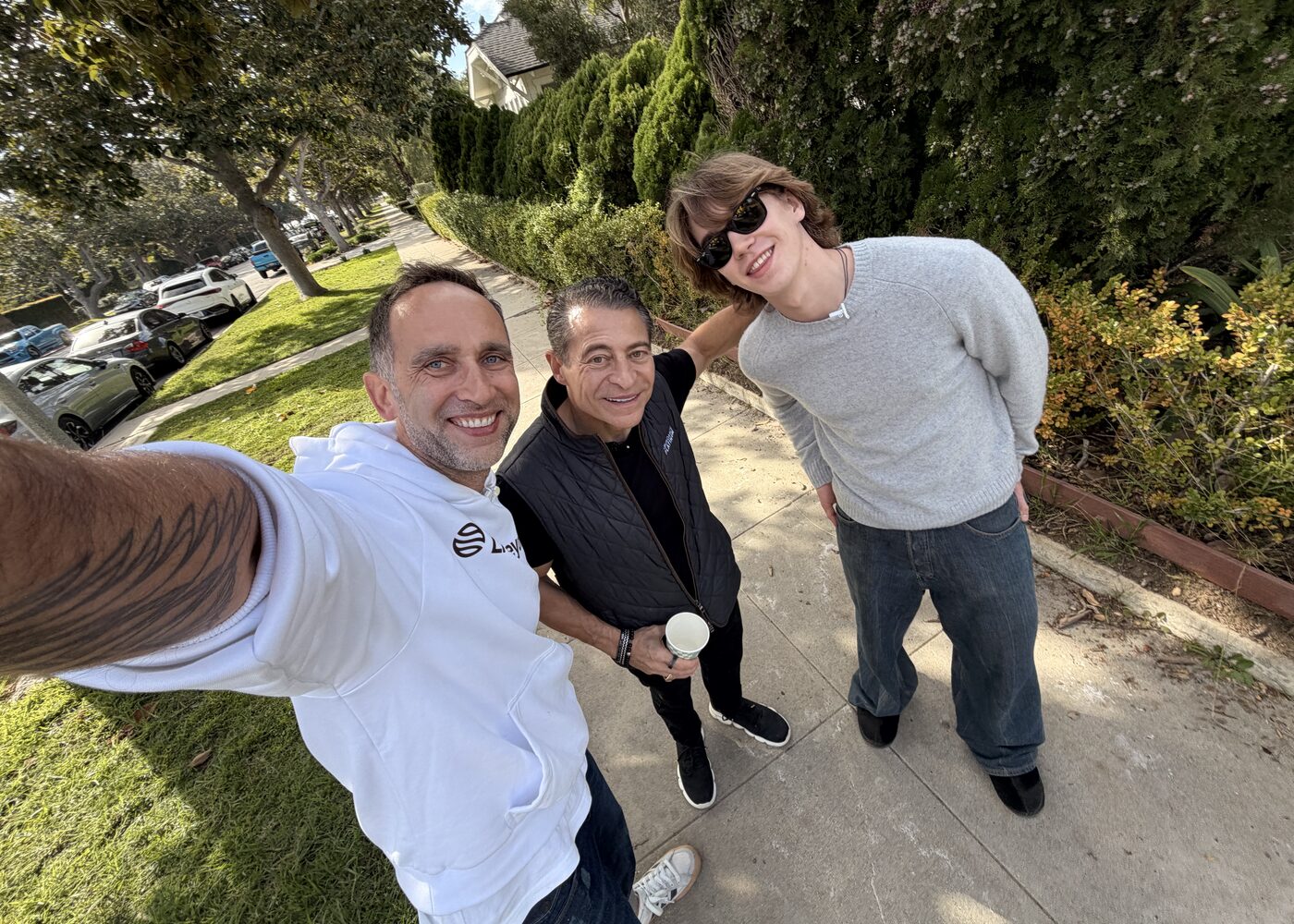
We met Peter in Santa Monica, a fast walk through his neighbourhood (he doesn't do slow) and a conversation in his podcast studio, on longevity escape velocity, abundance, and why the future is faster than we think. Then a selfie at his house, on his way to the next podcast.
Santa Monica
California
A walking interview through his neighbourhood, space, longevity, abundance and the "Star Trek future."
The studio
His podcast set
A filmed conversation on why the future is faster, and brighter, than we think.
At his house
On to the next
A quick selfie before he headed off to record the next podcast, he moves fast.
"The only day more exciting than today is tomorrow, and I get to see a lot of tomorrows."
On the walkSanta Monica, on the future of longevityIn the studioFilming on his podcast setThe next generation asksAlek in conversation with Peter, Santa MonicaTwo generations & a futuristWalking with Peter, Santa MonicaThe optimist"The only day more exciting than today is tomorrow"
In his words
On the future, faster
"The only day more exciting than today is tomorrow, and I get to see a lot of tomorrows."
Peter Diamandis · Santa Monica
The most valuable drugs in the world will be pro-longevity drugs, because we're going to switch the entire industry from sick care to health care.
Peter Diamandis
If you want to become a billionaire, help a billion people. The world's biggest problems are the world's biggest business opportunities.
Peter Diamandis
I'm not worried about artificial intelligence, I'm worried about human stupidity.
Peter Diamandis
Keeping a vision of your future that's bigger than your past is important.
Peter Diamandis
In his own words
Straight from the interview
Pulled from our walking interview with Peter in Santa Monica, his science of the future, how he protects his mind, and his message for the next generation.
Peter's view on longevity
He came to longevity from space, realising he "needed an extra fifty years." Now the most valuable medicines will be the ones that keep us young.
"We're going to switch the entire industry from sick care to health care."
Santa Monica · 2025
How Peter guards his mind
He's as careful about what he watches as what he eats, no doom-scrolling, one curated feed, and an AI that filters for what matters.
"I'm as careful about what I listen to and watch as what I eat."
In his own life
His message for the journey
Fear of the future is the real brake, trade the Mad Max story for a Star Trek one, and pick up your agency.
"If you think that this technology's happening to you and not for you, then that's going to put you in a very negative mindset. We need to aim and create that Star Trek future."
The video interview is coming. Recorded interviews go live after the launch of the film & series Live Beyond.
Selected passages from our walking interview with Peter Diamandis, through Santa Monica, California.
On sick care becoming health care
Marek Piotrowski"But recently, I saw that the stock of NVIDIA is worth more than all of big pharma combined. And that gave me hope that technology will push big pharma to move and really start investing in longevity."
Peter Diamandis"I don't care what big pharma does. What I care about is that there are longevity and health therapeutic companies. I don't think they're going to come from big pharma. I think they're going to come out of new startups. … And always, the old industries are not the ones that reinvent themselves and innovate. It's the outside coming in, because they don't know how not to do their own business model. … But the pharma industry is going to be reinvented. There's no question about that. At the end of the day, the most valuable drugs in the world will be pro-longevity drugs, because we're going to switch the entire industry from sick care to health care. I'm on stages around the world talking to the health care industry, and I'm saying, 'Guys, you have to reinvent yourself or you will not survive.'"
On longevity for everyone
Peter Diamandis"And it's for them and their children and the people that they love. … In every industry, when the technology first comes out, it's expensive, and it doesn't work well. And the wealthy buy it, and then eventually, when the price comes down where everyone can afford it, it works amazingly well. So the cell phone industry, the first cell phones cost like $100,000 in a suitcase, and they would drop a call every couple of blocks in Manhattan. … Today, it's down to $40. It works incredibly well, and there are more cell phones on the planet than there are humans. Same thing will happen here. In the beginning, when the longevity therapies are risky, the wealthy will do the experiments. … And as the price comes down and they start to work better, they become available to everybody at minimal cost. So we'll have the billionaires as the guinea pigs."
On fear of the future
Peter Diamandis"It makes me sad that people are fearful of the future instead of excited by it. And they're fearful because they don't know what's coming. And they're fearful because Hollywood has trained them to be fearful. … What's coming is a world that is automagical, that your dreams can become real, where you can become anything you want, where the future you dream of can be materialized. … What if technology enabled us to have extraordinary abundance?"
On mindset and agency
Peter Diamandis"If you think that this technology's happening to you and not for you, then that's going to put you in a very negative mindset. One of the things we talk about, Steven Kotler, my co-author, is the importance of having agency, that these technologies will enable you to do extraordinary things. And you need to have that mindset of curiosity to explore and creativity to create. … This can give us two futures in superposition. One is a Star Trek future and the other is a Mad Max future. And we need to aim and create that Star Trek future."
On protecting your mind
Peter Diamandis"When we were evolving, again, on the savannas of Africa 100,000 years ago, we developed a piece of our brain called the amygdala. … And so it puts you on red alert. And 100,000 years ago, that would save your life. Today, that same red alert, it just puts you focused on doom scrolling and watching all this negative information. And you prioritize that. So we pay ten times more attention to negative news than positive news. … Turn off the news. You don't need to be watching it. … I use one social media, which is X, because I very carefully selected who I follow. … I'm as careful about what I listen to and watch as what I eat."
On problems as opportunities
Marek Piotrowski"Young people always need inspiration."
Peter Diamandis"One of the things that I teach is if you want to become a billionaire, help a billion people. The world's biggest problems are the world's biggest business opportunities. So what I tell my students and the entrepreneurs I mentor is when they say, 'Well, what about this big problem?' I go, 'Yes! What a fantastic opportunity. Go and solve it. It'll help the world, and you'll create wealth in the process.' And it's a judo mind trick of seeing problems as opportunities."
Continue the quest
More minds on the quest
Peter plays at the edge of Creating the Movement on the Longevity Map, here are others exploring the same frontier, and the full cast of 100+.