The Live Beyond article series · 03
Book burning on a massive scale. And it is waiting for all of us.
Liz Parrish put four experimental gene therapies into her own body. On a forest path near Seattle she told us what she fears most, and it is not dying.
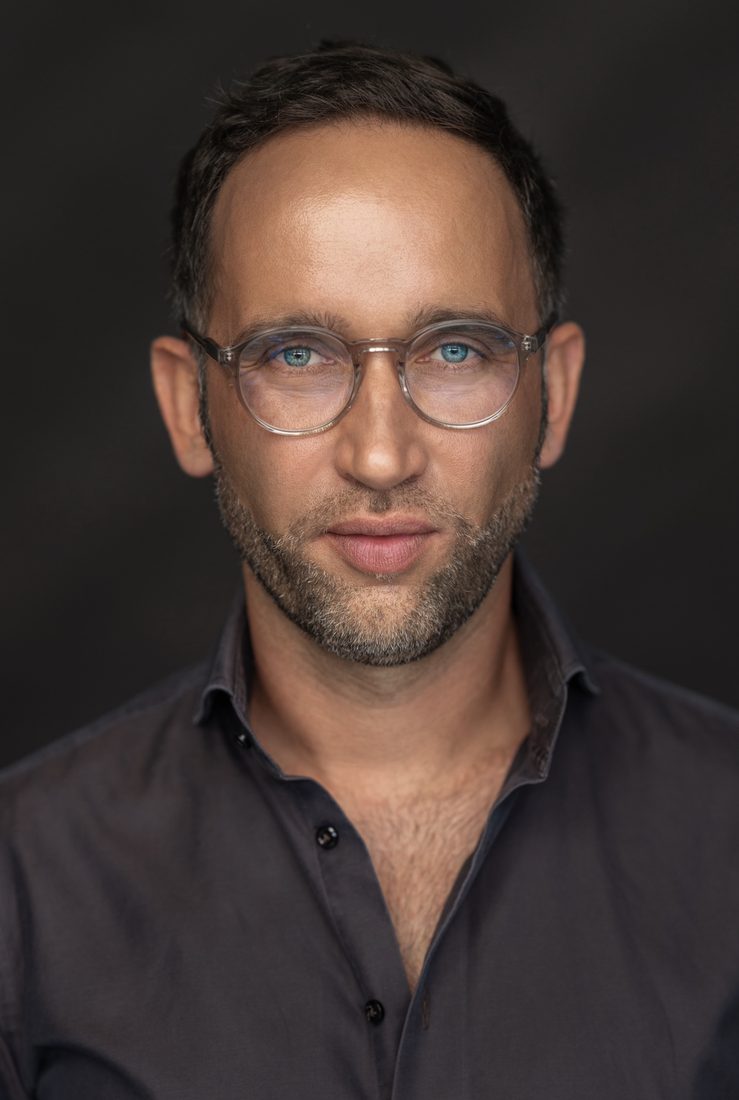
Last week I wrote that my son spent a year with the people trying to extend human life, came home to Warsaw, and could not move the people who love him most. I ended on the question I had carried for most of that year. If information does not move people, what does?
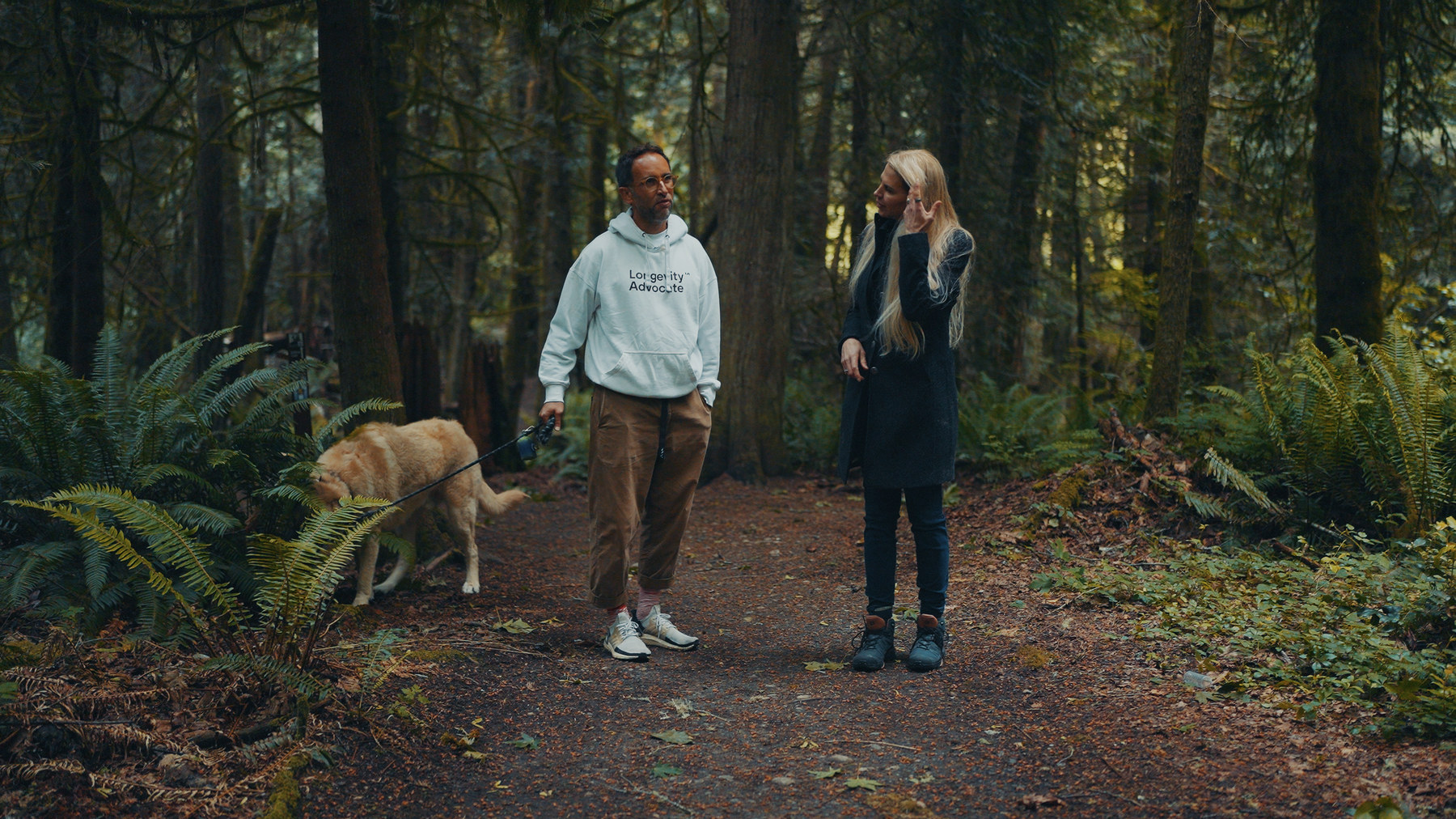
The answer came on a forest path on an island near Seattle, in June 2024, with a dog leading the way.
The forest
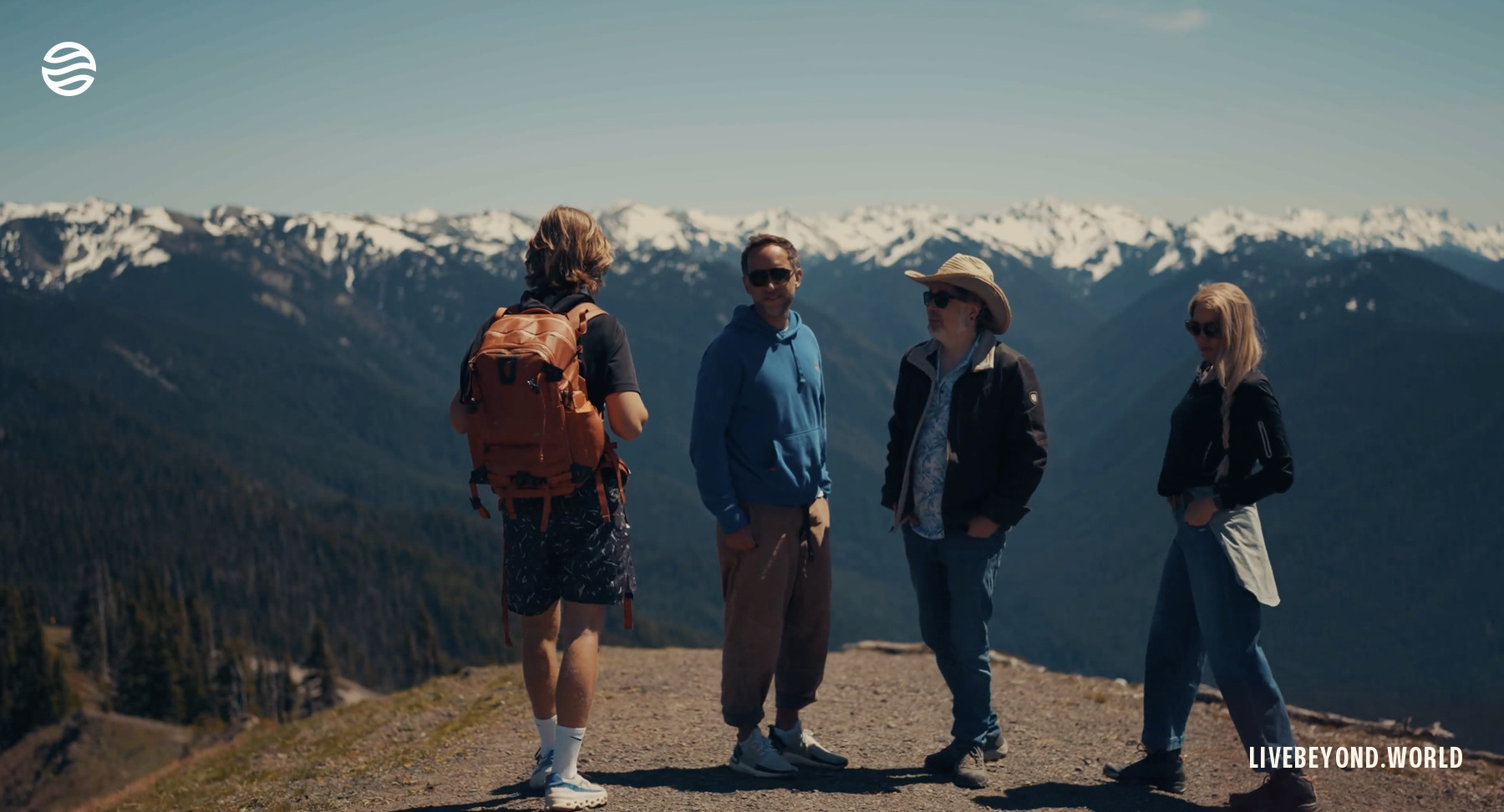
Liz Parrish was walking us through the Grand Forest on Bainbridge Island, near her home. She was explaining that CRISPR, which people think of as something new and different, is gene therapy too, all under the same umbrella. And then she pointed up the slope:
“So right up here to the right is where I put two of my cats’ ashes.”
“My cats’ cemetery. Two cats. Their ashes went up here.”
Nobody stopped walking.
I will be honest with you. For me it was not the big moment. What mattered was something quieter: that we were walking inside her close circle. Her forest, her dog, the place where she keeps the animals she loved. You do not show that to people you have just met.
By then we were not people she had just met.
Patient zero
For anybody who does not know her: in 2015 Liz became known as patient zero, the first person to undergo experimental gene therapy aimed at ageing itself. Two genes then, telomerase and follistatin. In 2020, two more, klotho and PGC-1α. Four experimental gene therapies, in her own body.
Some people call that reckless. I call it the bravery of a pioneer, and it is the thing that is true of Liz and of nobody else I met on the quest. Plenty of people in longevity are brilliant. Very few go first.
I am not neutral about it. Later on that walk, when she talked about combining the therapies, I said this, and it is on the tape:
“I can’t wait to take this therapy, so when you do the combo, give me a call and I want to be a part of that.”
She laughed. I meant it.
But the part of her story that matters here is not the gene therapy. It is why she came.
Why she came
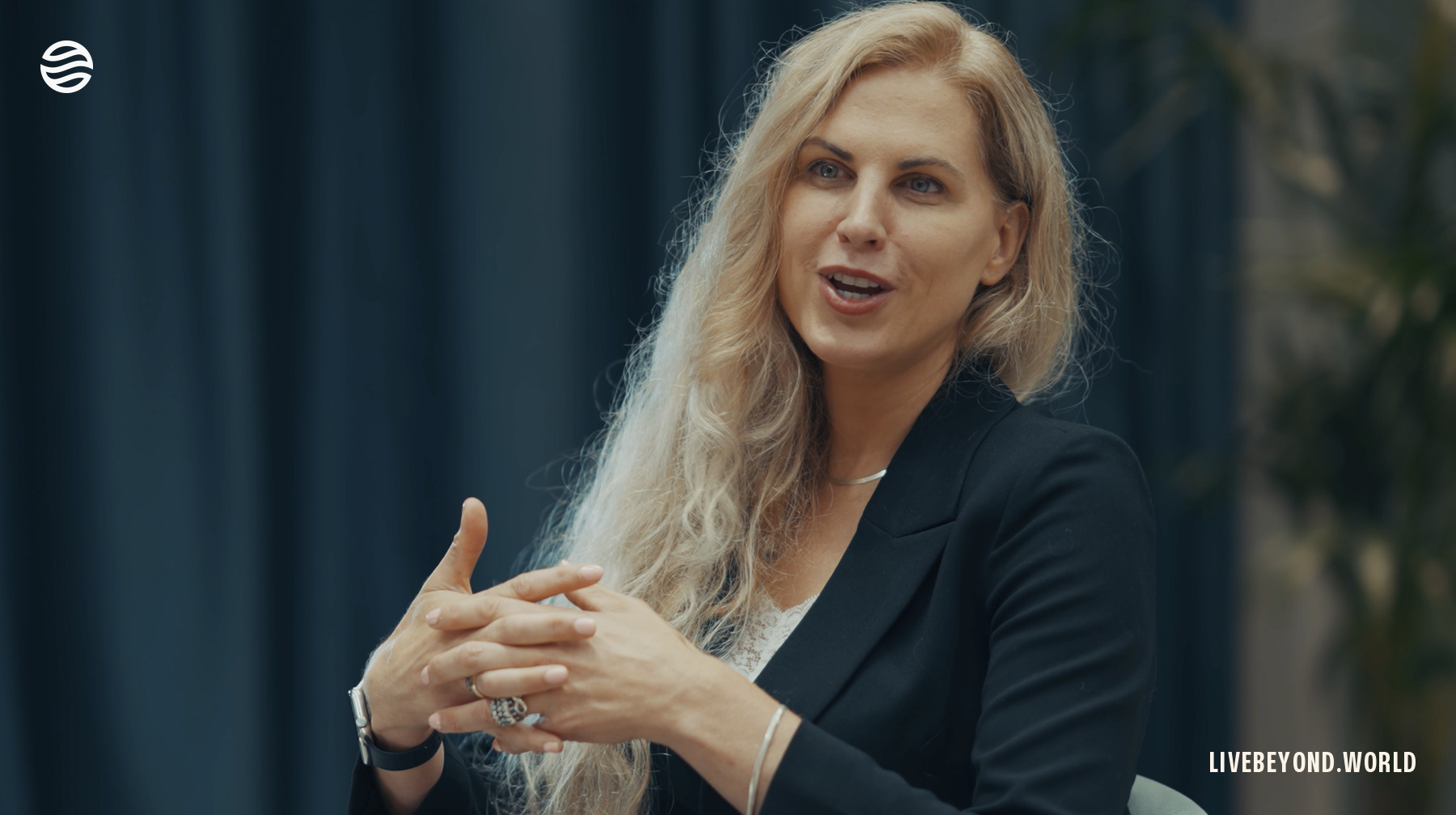
We first met Liz in Dublin, in August 2023, in the first weeks of the quest. I told her that the more cautious scientists we had met paid tribute to her for trying everything on herself, and still would not do it themselves. She said she is always surprised by that. And then she told us where she came from:
“I did not come into this industry to live a long time. I came here because my son was diagnosed. … I didn’t come to live forever. I came to see if we could.”
She told us how it started. In 2013, after her son was diagnosed, she went to Aubrey de Grey’s conference. She was not looking for ageing at all:
“I went because I wanted to meet the professor of genetics, George Church, and I wanted to ask him if there was a cure for these childhood diseases.”
What she found there changed the question:
“There are eight-year-olds that are sick that need medicine, and there are 80-year-olds, and actually they’re not very much different. They want to live. They don’t want to die.”
Ten years later, she was one of the people who spent months trying to get my son and me in front of that same man. In November 2024, at Harvard, we sat down with George Church.
When we met her in Dublin, her son was at university, studying biology. She told us:
“I think that he is looking forward to a much longer life now than he was before.”
I understood her straight away. One of the reasons I set out on this quest was the same kind of reason: my family. I want many more years with the people I love.
Nobody is argued into a longer life. We are brought to it by the people we would hate to lose.
What it cost her
In Dublin, it was Alek who asked her the hardest question of the interview. He wanted an honest answer: had the therapies had any drawbacks, and had they affected her family?
Her health, she said, had shown none. The hard part was everything else. Because she was the first person ever to take telomerase, it was injected all over her body, wherever her risk of cancer was highest, and she came home with bruises on her neck and her face. She had not told her family what she had done:
“… if I would’ve told them before, they would’ve said, ‘Don’t do it. Don’t do it,’ and that would’ve crushed me, because I felt like I really had to do it because eight billion people, their lives may depend on finding out if these therapies actually work in a human.”
“When I would go to bed at night, I was worried that I wouldn’t wake up, my kids might find me dead.”
And what she wanted most, in those weeks, was the most ordinary thing in the world:
“But it was really important to me that the house was normal. It was important that my son wanted his lunch made for school. It was important that I needed to vacuum the stairs. It was important that I needed to feed the dog.”
Two or three weeks later, somebody at the company put out a press release, and the press arrived. Her husband found out about eight months after the injections, from an article. She laughed when she told us that part.
That is the bravery I saw in her. Not the needle. The weeks afterwards, carrying it alone, and making the school lunches.
The holding of one another’s memories
Ten months after Dublin, on that forest path, I asked her what she is most afraid of in ageing. She started with the obvious things: the degeneration, becoming dependent on her children, watching them become dependent on governments and insurance companies. The loss of personhood. She talked about watching her own parents change.
And then she went further:
— Liz Parrish, the Grand Forest, Bainbridge Island, June 2024“What is a friendship or a relationship? It’s the holding of one another’s memories. You and I just so happen to have now so many memories around the world that are deeply ingrained. If I lose you and Alek, I lose half of those memories. I lose your version and your part of the bringing together of the whole, and I think that that’s a huge tragedy.”
“It’s a divorce in the greatest sense of the word. It’s forever, those are gone. And I just am left with a single holographic half of a memory in which nobody else has the other part of. We can no longer discuss it. I mean, it’s like book burning on a massive scale.”
It is what I believe too. She said it better than I ever have.
Notice what she did not say. She did not say she is afraid of dying. She said she is afraid of the other half of the story disappearing: your version of the day we met, and my son’s.
Every family has watched some of that fire already. And if we do nothing about ageing, it is waiting for all of us, and for everybody who holds the other half of our memories.
One of the most radical people in longevity turned out to be defending something completely ordinary. Her people.
Earlier on the same walk, she had put it in one line, and she said it to us:
“Now that we’ve met all over the world, we’re like family.”
A week in her house
That is not a figure of speech.
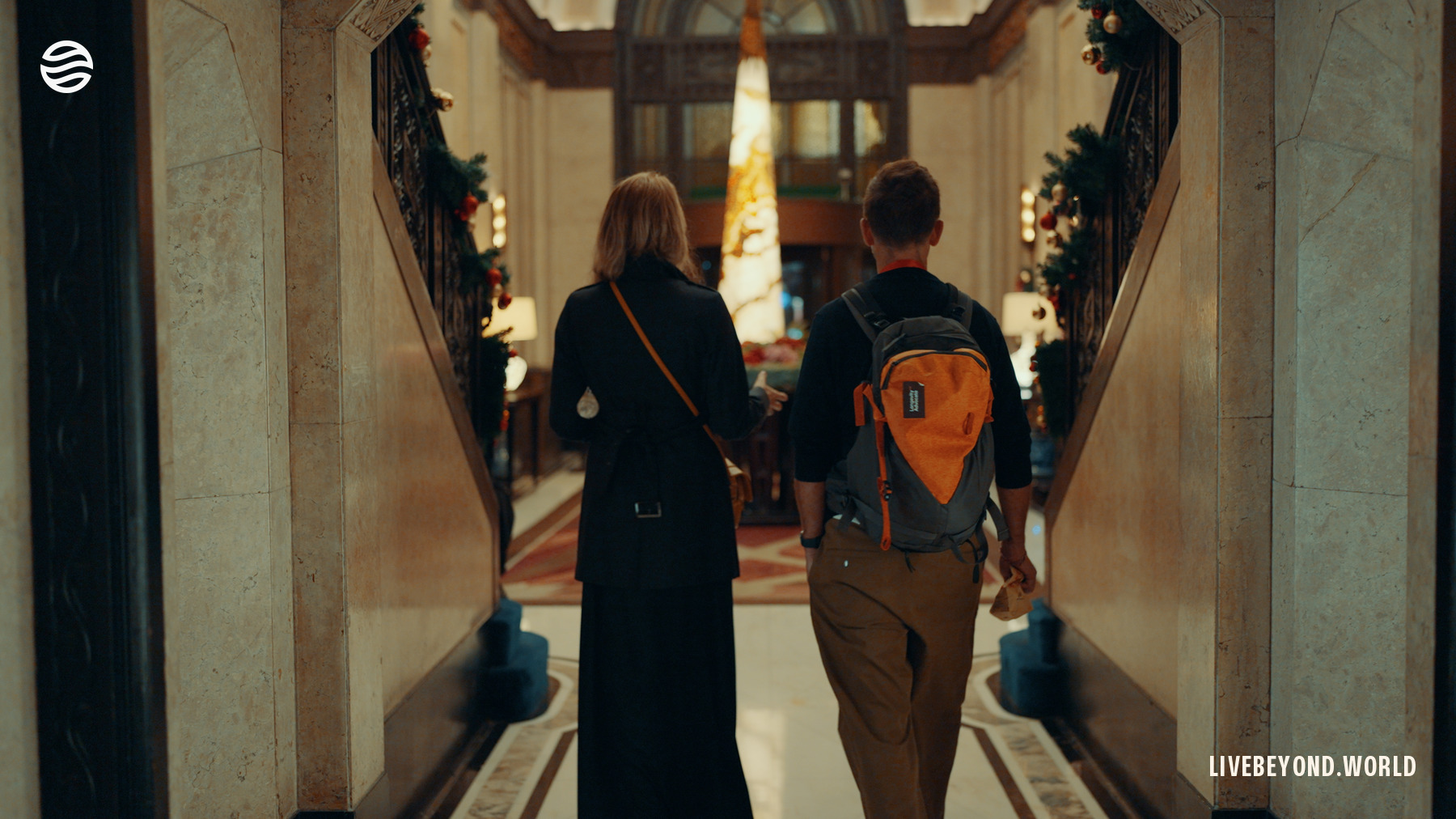
For most of the quest it was just the two of us, me and Alek, and most nights it was a hotel room. You can see the whole world that way and still miss the simplest things: a kitchen, a table, somebody’s family around it. So whenever a family opened its door to us, we walked in like people coming home.
Liz opened hers. It began in Shanghai, over an evening of old jazz at the Peace Hotel, when she told us both how much she admired the way we held on to each other. She knew how hard it is for a teenager and his father to be together every hour of every day.
Months later she invited us to stay, and for a week we stopped being the father and son with the cameras. We cooked in her kitchen with her husband and her daughter, and with our friend Kamil, who had helped us in the most important places of the quest and came up from Las Vegas to be with us. We kayaked, played frisbee golf, walked high into the Olympic Mountains, and sat by the fire in the evenings with marshmallows. One night we all watched Sleepless in Seattle together. It was magical.
What surprised me about Liz was how open she is, how brave, how completely the mission comes first: she tests things on herself, for her family and for the world. And, alongside all of that, how much of her is family. With Alek she was the best aunt a young man could have, and a great friend. She was astonished by his bravery, the same way people are astonished by hers, and by how hungry he was to learn and to see the world.
Afterwards, Alek told me she is a fabulous person, and that he loves her with all his heart.
That is what we brought home from Seattle. Not a protocol. A family we had made together, on the road.
Two thousand dollars, for everyone
On that walk I asked her when all of this would be affordable for everyone.
“Being one of George Church’s companies, our goal is to create an affordable gene therapy, something that’s around $2,000 for everyone.”
Then I told her my fear: that even with the proof in front of them, most people might say no, the way so many said no to the COVID vaccines. She did not argue with the fear. She told me what would change their minds:
“Maybe. I think that a lot of people will adopt it, and when they see their loved ones living healthier longer, they definitely will adopt it.”
Her loved ones again. The whole of this article, in one sentence.
What actually moves people
I spent twenty years building brands before any of this. The job, underneath everything, was understanding why people do what they do. And the honest answer is that almost nobody acts on evidence. We act for somebody.
A mother goes into gene therapy because her son was diagnosed. A father takes his son around the world. A woman who has put four experimental therapies into her own body tells you the tragedy of ageing is losing half of your shared memories.
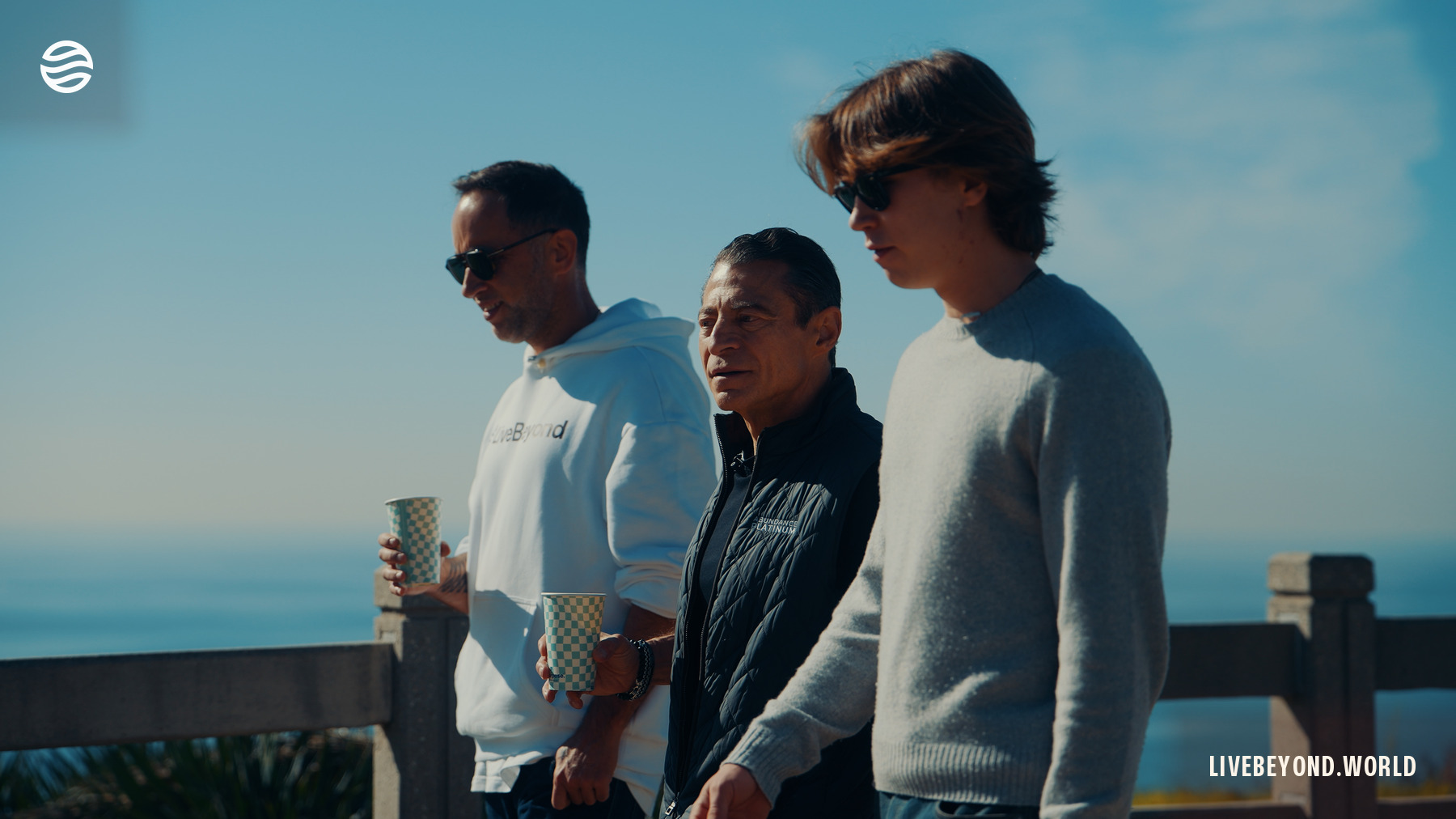
Last December in Los Angeles, Peter Diamandis turned to my son on our walk and said this:
Peter Diamandis: “And relative to your dad, I think the potential that you have is unbounded. It’s truly infinite in what you can do and potentially how long you can live if that’s what you desire.”
Aleksander: “I wanna believe that. Yeah.”
Peter Diamandis: “I want you to.”
Alek was two weeks from his twentieth birthday, and he had met more than a hundred of the people doing this work. He did not say I believe it. He said I want to believe it. And a man who has built his life on optimism did not argue with him or reach for a study. He answered with four words.
That is what moves a person: not an argument, but somebody who wants a long life for you.

The first journey of many
The last thing I want to leave you with is from the very beginning.
In Dublin, at the end of that first interview, Alek asked Liz for what we asked of the people we met at the end of our interviews: a wish for our journey. He was seventeen, a few weeks into a year he did not yet know the shape of. This is what she said to him:
“So I wish you a wonderful journey around the world, and I actually hope that you do it millions of times. … I hope that you have great success in this first journey because this is first journey of many.”
“Yeah, for sure,” said Alek.
She was right. The year ended. The journey did not, because the people did not. And because it is written down here now, that afternoon in the forest is one memory that will not be lost when ours are.
If you are somebody who wants to push the limits, who is drawn to radical life extension, or who is chasing something that everyone around you calls a moonshot, go and meet Liz. If you need courage to follow a mission of your own, she is the person to learn it from.
And here is this week’s question, and it is a small one.
Who would you hate to lose half your memories with?
Say their name. Then go for a walk with them this week.
Next week: A windy hillside in Sardinia, a shepherd calling his goats in the middle of an interview, and the reason none of us builds this alone.
Lengthens telomeres, the protective caps at the ends of chromosomes.
Telomerase
A shoelace being re-tipped. Telomerase is the enzyme that puts length back on the ends of our chromosomes. Most adult cells keep it switched off; stem cells keep it on. In 2012, old mice given it as a gene therapy lived longer, without more cancer.
Nothing you can buy switches it on safely: most cancers use the same machinery to keep dividing, which is why it is watched so closely. What is well supported is slowing the wear — sleep, exercise, not smoking and lower chronic stress. As a gene therapy it is experimental.
Supports muscle growth and health.
Increases insulin sensitivity.
Fights metabolic disorder.
Follistatin
A coil bound tight, and one end let go. Myostatin is the brake on muscle; follistatin blocks the brake. And far more moves with muscle than strength — insulin sensitivity, the fat around the organs, bone, whether you can get out of a chair at eighty.
Resistance training is the settled part: it raises follistatin and lowers myostatin, it costs nothing, and it has forty years of data behind it. Everything beyond that is gene therapy, and experimental.
“If you came to me and said, ‘What gene therapy should I take first for longevity?’ I would say follistatin. It's a no-brainer.”Liz Parrish, Bainbridge Island, June 2024
Protects cells from stress and damage.
Helps keep your body and brain younger and more resilient.
Scientists call it neuroprotective: it guards the brain as much as the body. Mice bred without it age fast; mice given extra live a fifth to a third longer. In 2023 a single small dose sharpened the memory of old monkeys for at least two weeks. Liz took it in 2020, and in the same year her company gave it, with telomerase, to five people with dementia. BioViva has since published that her IQ went up by ten points after klotho: one person, her own measure, not a trial.
Klotho
A thread being spun. How much of it there is seems to set how long, and how evenly, the spinning goes on.
Exercise raises it modestly, and so does looking after your kidneys, which is where most of it is made. There is nothing to buy: klotho does not survive being swallowed, and injected forms are in early trials. What it is genuinely useful for today is as a marker — something to measure rather than something to move.
“Klotho is another gene that the expression goes down as we age, and you can combat it with diet and exercise… But again, the law of diminishing returns would tell you that you cannot continue to combat that… So this is a gene therapy, again, that you would take in order to upregulate the protein and get back what you used to have when you were younger.”Liz Parrish, Bainbridge Island, June 2024
Helps cells produce energy more efficiently.
Think of it as a boost for your body's energy factories.
PGC-1α
The foreman who orders more power plants. PGC-1α is the switch that tells a cell to build more mitochondria and run them better. It falls with age, and it is one of the main reasons exercise makes you fitter.
Exercise is the proven way to turn it up, endurance work especially; cold exposure does it to a lesser degree. Raising it with gene therapy is experimental.
“… it's kind of famous for taking white fat and turning it into brown fat.”Liz Parrish, Bainbridge Island, June 2024
The therapies Liz took were carried into her cells by a harmless virus called AAV: its own genes taken out, a healthy gene put in. AAV is small, so each gene needs its own delivery. Her company is now building a bigger carrier from a different virus, CMV, which holds about three times as much, so that all four can go in together, in one delivery.
“Now my company actually focuses on combining all those genes into one delivery method so that you can actually get it predictably to all your cells.”Liz Parrish, Dublin, August 2023
Liz Parrish and Marek in the Grand Forest, Bainbridge Island, June 2024. · Live Beyond
Where each quotation comes from. Liz Parrish, walking in the Grand Forest, Bainbridge Island, June 2024 — 2024-06 Liz Parrish Seattle. Liz Parrish, interviewed by Marek and Aleksander at the Longevity Summit, Dublin, August 2023 — 2023-08 Liz Parrish Dublin. Peter Diamandis and Aleksander, walking in Los Angeles, December 2025 — 2025-12 Peter Diamandis Walking LA. What Alek said about Liz afterwards is Marek’s memory, so it has no quotation marks. The four gene therapies. The short definitions are the ones used in the film. On klotho: Kuro-o and colleagues, Nature, 1997; Kurosu and colleagues, Science, 2005; Castner and colleagues, Nature Aging, July 2023. The ten IQ points are BioViva’s own published account (March 2024) of one person, not a trial. These therapies are experimental and are not approved treatments. Every quotation is cleaned of um, uh, you know and stuttering, and nothing else. Nothing is in quotation marks unless the person said it. Every photograph is exported from the full-resolution original, and nothing is cropped across a face.