Prof. Brian K. Kennedy is one of the world's foremost biologists of aging. He is Distinguished Professor of Biochemistry and Physiology at the National University of Singapore, and Director of the Centre for Healthy Longevity at the National University Health System, with a PhD in biology from MIT.
His research helped uncover the roles of the mTOR pathway and the sirtuins in aging, pathways that began, improbably, in yeast cells and turned out to be conserved all the way to humans. Rapamycin, the mTOR inhibitor his field rallied around, is the single most robust intervention known to extend lifespan in animals; Brian now runs human clinical studies (alpha-ketoglutarate, rapamycin) to see what actually moves biologic age.
From 2010 to 2016 he was President and CEO of the Buck Institute for Research on Aging in California. He also directs the Asian Centre for Reproductive Longevity and Equality, tackling ovarian aging and women's health, because the ovary is one of the fastest-aging organs, and menopause accelerates aging across the body.
His message is democratic. "It's not about billionaires, it's about billions": two billion people will be over 65 by 2050. He argues we must fund the basic, curiosity-driven science that answers why we age at all, and hand people back the knowledge to make their own decisions.
NUS · Distinguished ProfessorCentre for Healthy Longevity · DirectorBuck Institute · former CEOmTOR · rapamycin · sirtuins
National University of Singapore
Where we met
From his Singapore lab to Dublin and beyond
We first sat down with Brian in his lab at the National University of Singapore, where he walked us through rapamycin, aging clocks and why longevity is "not about billionaires, it's about billions." Our paths kept crossing across the longevity world ever since: the Longevity Summit in Dublin, the TimePie summit in Shanghai, and, as friends, in the Algarve, Portugal.
Singapore
NUS · Centre for Healthy Longevity
Where we first met, a long talk in his lab on rapamycin, biologic clocks and supplements, plus the Unlocking Healthy Longevity conference at NUS.
Dublin
Longevity Summit Dublin
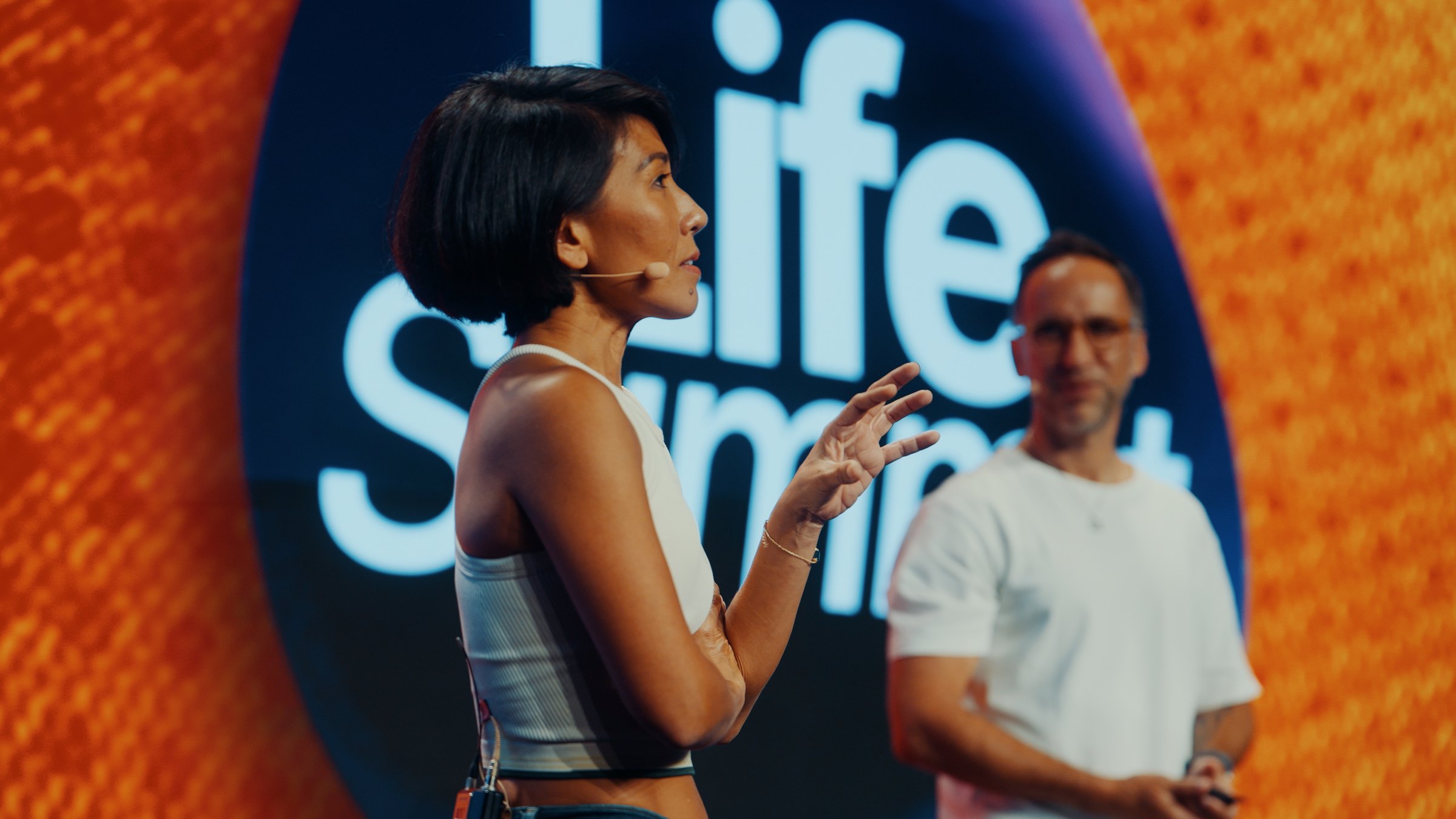
The stage and halls of LSD, where the longevity field gathers each year, we filmed with Brian here too.
Around the World
Shanghai · Algarve
The TimePie summit in Shanghai, and time together in the Algarve, Portugal, as friends.
"I'm glad you came to Singapore, you can see a little bit of Southeast Asia."
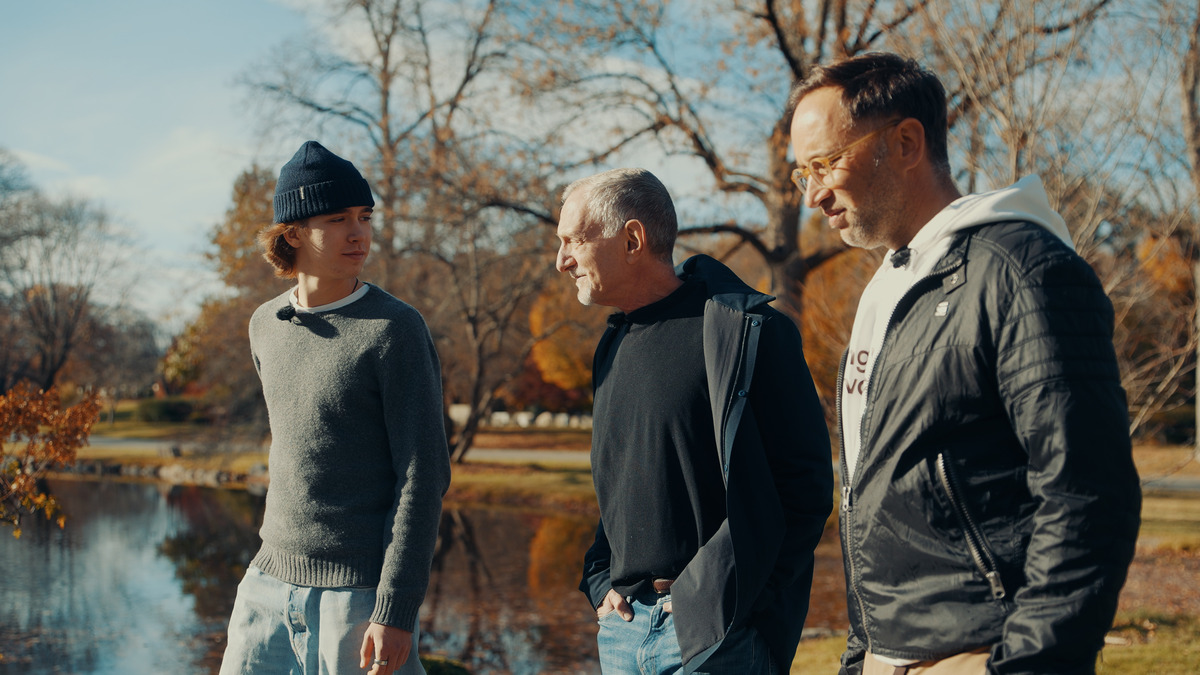
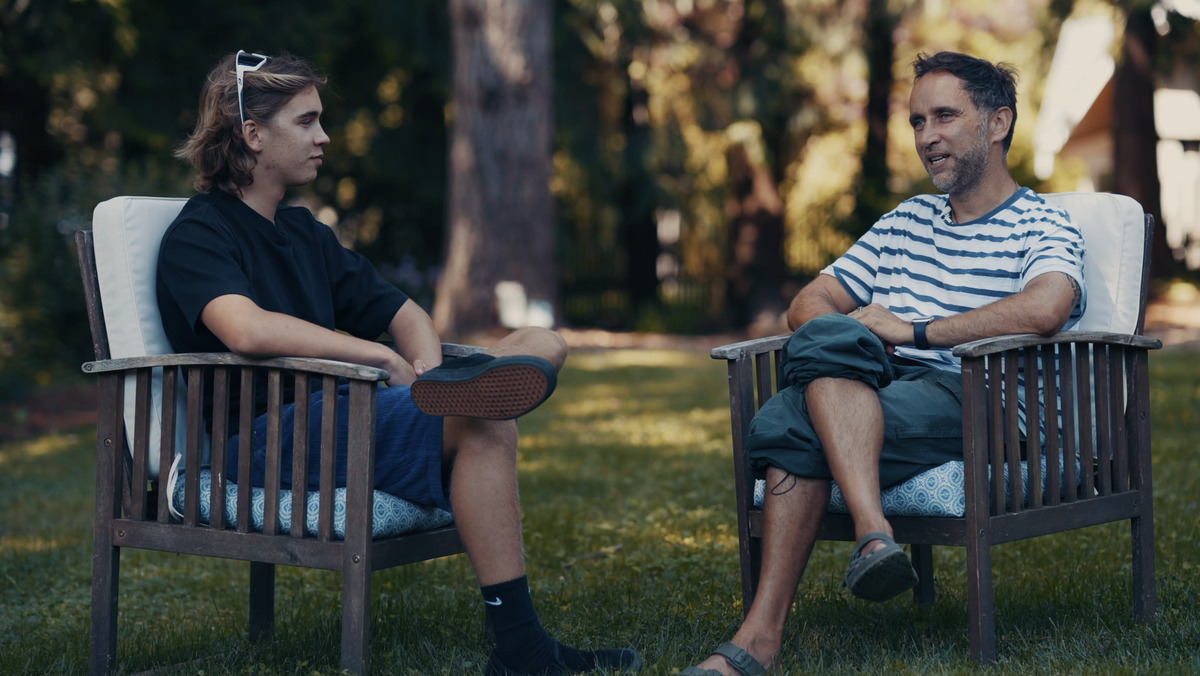
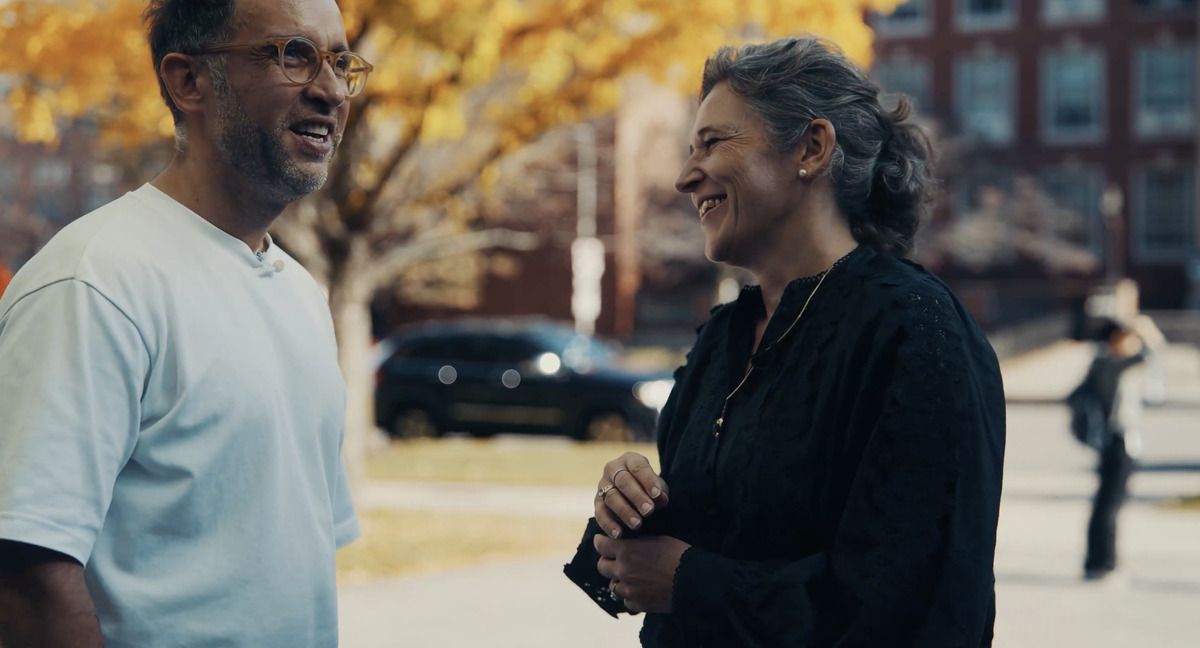
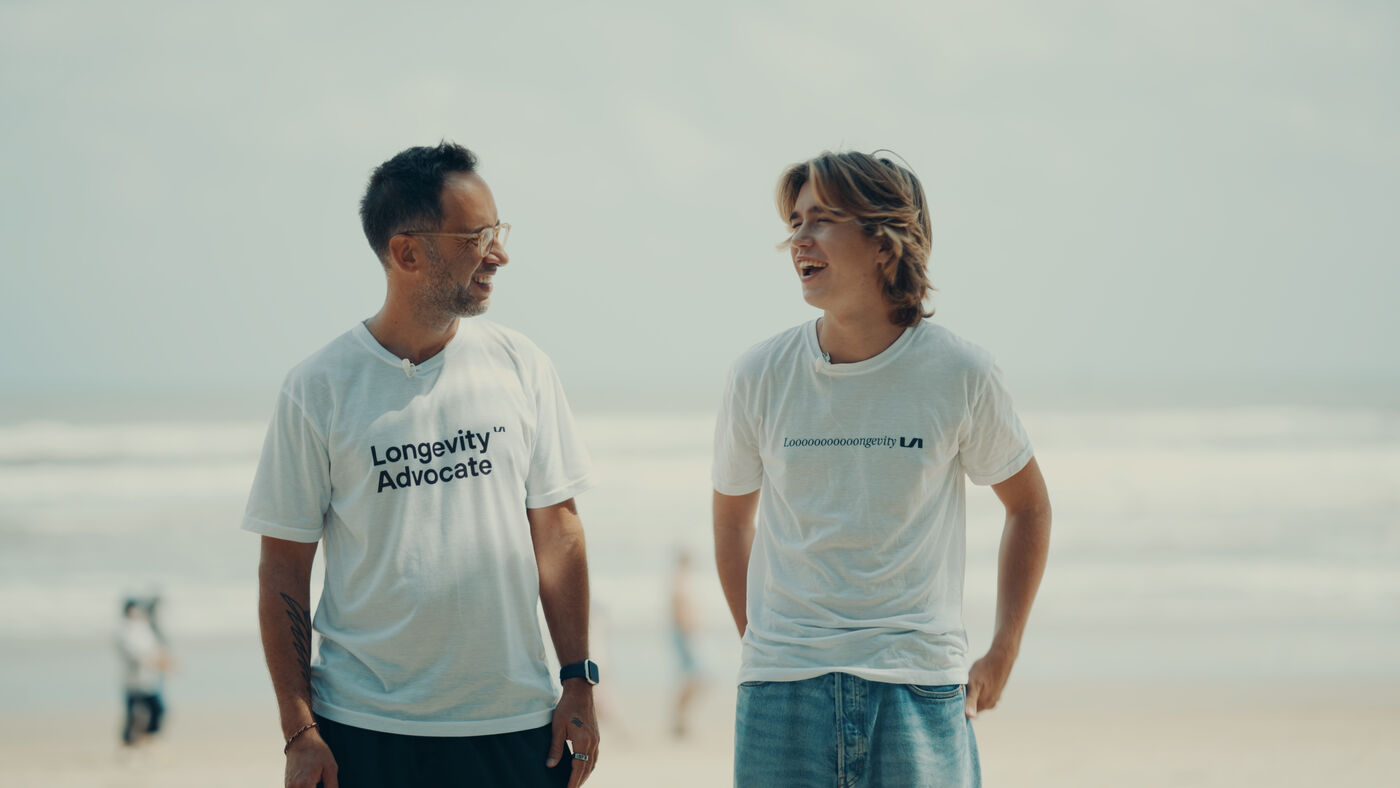
The conversationLongevity Summit Dublin, rapamycin, clocks & the futureIn full flowMaking the case, DublinThe optimist"It's not about billionaires, it's about billions"Father & son with BrianAt his university, NUS, SingaporeBehind the cameraAlek filming Brian & Marek, NUS, SingaporeIn his labThe interview at NUS, Singapore, 2023
In his words
On aging, honestly
"It's not about billionaires, it's about billions. Two billion people will be over the age of 65 by 2050."
Brian Kennedy · in his lab, Singapore
Pick one or two supplements. Don't go take ten, 'cause we just don't know what that's doing.
Brian Kennedy
If we don't fund the scientists that are crazy and asking the crazy ideas, we won't get to those answers.
Brian Kennedy
We need to be putting money into knowledge for knowledge's sake. … It's those curiosity-driven answers that really change the world.
Brian Kennedy
It's fine to fail. Just fail quickly.
Brian Kennedy
In his own words
Straight from the interview
Pulled from our conversations with Brian, in his Singapore lab and at the Longevity Summit in Dublin, his science, his own approach, and his hope for the field.
Brian's view on longevity
Rapamycin and the mTOR pathway are the most robust levers we know, but the real prize is the basic science of why we age at all.
"It's the one intervention that seems to work everywhere, in different mouse strains, in different laboratories."
Singapore · 2023
How Brian does longevity
He does the basics, measures biologic age, and stays disciplined about what he adds, quality over quantity, and know your numbers first.
"Pick one or two supplements. Don't go take ten, 'cause we just don't know what that's doing."
In his own practice
His wish for the field
A democratic movement, and the courage to fund curiosity over guaranteed results, because that's what changes the world.
"It's not about billionaires, it's about billions."
The video interview is coming. Recorded interviews go live after the launch of the film & series Live Beyond.
Selected passages from our filmed conversations with Prof. Brian Kennedy, in his lab at the National University of Singapore, and at the Longevity Summit in Dublin.
On rapamycin: the most robust intervention we know
Marek Piotrowski"Finally, rapamycin, because everybody's talking about rapamycin. A lot of scientists say, 'It's probably so much more effective than all the other supplements or medications available on the market,' but so far nobody has done clinical trials on that."
Brian Kennedy"There are some community-based studies going, but I agree. … At low intermittent dosing, the clinical studies suggest that it doesn't cause side effects above background, and that gives us an opportunity to see whether it affects aging. And the reason for that is that it's extremely robust in the animal models. It's the one intervention that seems to work everywhere, in different mouse strains, in different laboratories, and it has a significant effect on both health span and lifespan. So I think it's imperative that we get some data on rapamycin and mTOR inhibitors in human studies."
On supplements: one or two, not ten
Brian Kennedy"You made a key point there, I think, which is don't take a hundred different things. … Right now we don't know how these things interact with each other, and we don't know how different people respond to interventions. And so what we found in animal models is if you combine different interventions, it's very unpredictable what's gonna happen. Sometimes both of them on their own might have a positive effect, but you put them together and you get a negative effect. So I tell people, 'Pick one or two supplements. Don't go take ten,' 'cause we just don't know what that's doing. … It's great if you can measure your biologic age before and after, so you know what's happening a little bit. But don't mix ten things together."
On agency: give people the knowledge back
Brian Kennedy"I think that it's really important to get people invested in their own health, because even with pills, if you look at statins which are prescribed for high cholesterol, the compliance is relatively low. After a year or two, there's like a 40% compliance in some contexts. And so even when you give someone a pill, if they don't really understand their body and why they're doing things, they stop taking it over time. … We've taken so much of the knowledge out of the hands of the person that they don't understand why they're being asked to do things anymore. And I think that if we can reinvest them with that knowledge, then they'll make better decisions on their own, and that's both with lifestyle and supplements … They'll actually keep taking things."
On women's health and ovarian aging
Brian Kennedy"People in the aging field have largely ignored the ovaries, and it's to our own detriment because it's one of the fastest aging organs. And we know that when people have menopause, it causes a lot of downstream aging effects to be accelerated. … So if we can delay that, I think it will really not only increase fertility, but improve the health of half of the population."
On funding curiosity
Brian Kennedy"When I started working on aging, I was studying aging in yeast cells, single-celled organisms that are important for your bread and your beer. But nobody really thought we would learn about human aging by studying aging in yeast cells. … And it turned out to give us the sirtuin pathway, the mTOR pathway, and a bunch of other pathways that are conserved in humans. … But if we don't fund the scientists that are crazy and asking the crazy ideas, we won't get to those answers."
On failing fast
Brian Kennedy"We're so afraid of failing in science now in our funding. We review grants, and they practically have to be proven that they're gonna succeed before they're funded, and something's wrong with that. And I think we should go back and ask the question: what's the appropriate failure rate for a scientific project? And I think it's probably about 20%. … If one grant succeeds wildly, it's worth five failed grants. … Even in the lab, I don't mind when my grad students come up with a crazy idea. I'm saying, 'It's fine to fail. Just fail quickly.'"
On billions, not billionaires
Brian Kennedy"The field's been very grateful that the private sector has engaged over the last ten years. Pharmaceutical companies have always been very hesitant to do this because they look at aging as not a disease. It's not identified as a disease by the FDA. And so even if they had a cure for it, they couldn't get reimbursed by insurance companies. To me, this is the stupidest mindset in the world, because you don't need to be reimbursed by insurance companies if you can slow or stop aging. People will pay out of their pocket for that. … So I think that's been a real boost to the field. We need to turn that up ten X. … I've been saying for years it's not about billionaires, it's about billions. Two billion people will be over the age of 65 by 2050, so it's a global problem for everybody."
Continue the quest
More minds on the quest
Brian Kennedy explores Biohacking Upgrades on the Longevity Map, here are others on the same frontier, and the full cast of 100+.