Mahdi Moqri
One of 100+ Minds on the Quest

Mahdi
Moqri

Instructor in Medicine · Brigham and Women’s Hospital
Co-director of the Biomarkers of Aging Consortium · Harvard Medical School

The Bridge · PreventionPreventionMeasure how a body is ageing before anything has gone wrong — and use the same measure as feedback.
Creating the MovementThe MovementCo-directing the consortium that is trying to agree what a reliable biomarker of ageing even is.
Levels of Longevity Map Mahdi explores
Co-director
The Biomarkers of Aging Consortium
Engineer
How he reads a human body
3 of 3
Years the conference has sold out
None
Supplements or drugs he takes
Who is Mahdi Moqri

An engineer, reading the body

Mahdi Moqri is an Instructor in Medicine at Brigham and Women’s Hospital and faculty at Harvard Medical School, and he co-directs the Biomarkers of Aging Consortium — the body trying to turn a very noisy field into something a clinic could one day use. He trained in computer science and informatics, and did his postdoctoral work at Stanford. We met him at the conference he helps run.

He does not describe himself as a biologist. “As an engineer, I look at human body as a very complex system,” he told us. “And if you want to maintain or optimize a complex system, the first step is to understand the principles.” Which for him means: measure how a body ages normally, first. Then the same measurements become the feedback that tells you whether anything you did about it worked.

What that would give an ordinary person is quite concrete. We already know exercise, sleep and diet matter — but not which of them matters most for you. A good measure would say: your sleep is not helping, you are ageing faster because of the sugar. And it would go organ by organ. He can look at a person and guess that their hair is about forty and their skin about thirty-five. What he cannot see is how old the liver is, or the heart. Down at the level of individual cells the numbers get stranger still: the egg in a woman’s body begins ageing at twenty-five, and by thirty is already treated as geriatric.

The thing that worries him most is not scientific. It is that the public already believes this problem is solved. People buy a kit online, get a number back, and assume the number means something. “They think we already have them, and they think they are already reliable and at the clinical level. But we feel that we are not there yet.” So when he presents the real state of the science, people are disappointed — because they were sold something better.

And there is a second problem, inside the field. Most of the people building these clocks, he says, do not have a mathematical understanding of their own models. “It’s just a number produced by an algorithm.” A lot of biologists are not mathematicians or statisticians, and that gap is one of the things the consortium exists to close.

He is unusually consistent about all of this in his own life. He takes nothing — no medications, no supplements — because on his own cost-benefit reading they are more likely to harm him than help him. He mentions Bryan Johnson as the other end of the spectrum, without malice. His own definition of ageing is the loss of regenerative capacity, and his own protocol is the fight against it: more movement, better rest, better food, and medical interventions when he is old enough to need them.
Biomarkers of Aging Consortium Harvard Medical School Biological clocks Multi-omics Organ-specific ageing
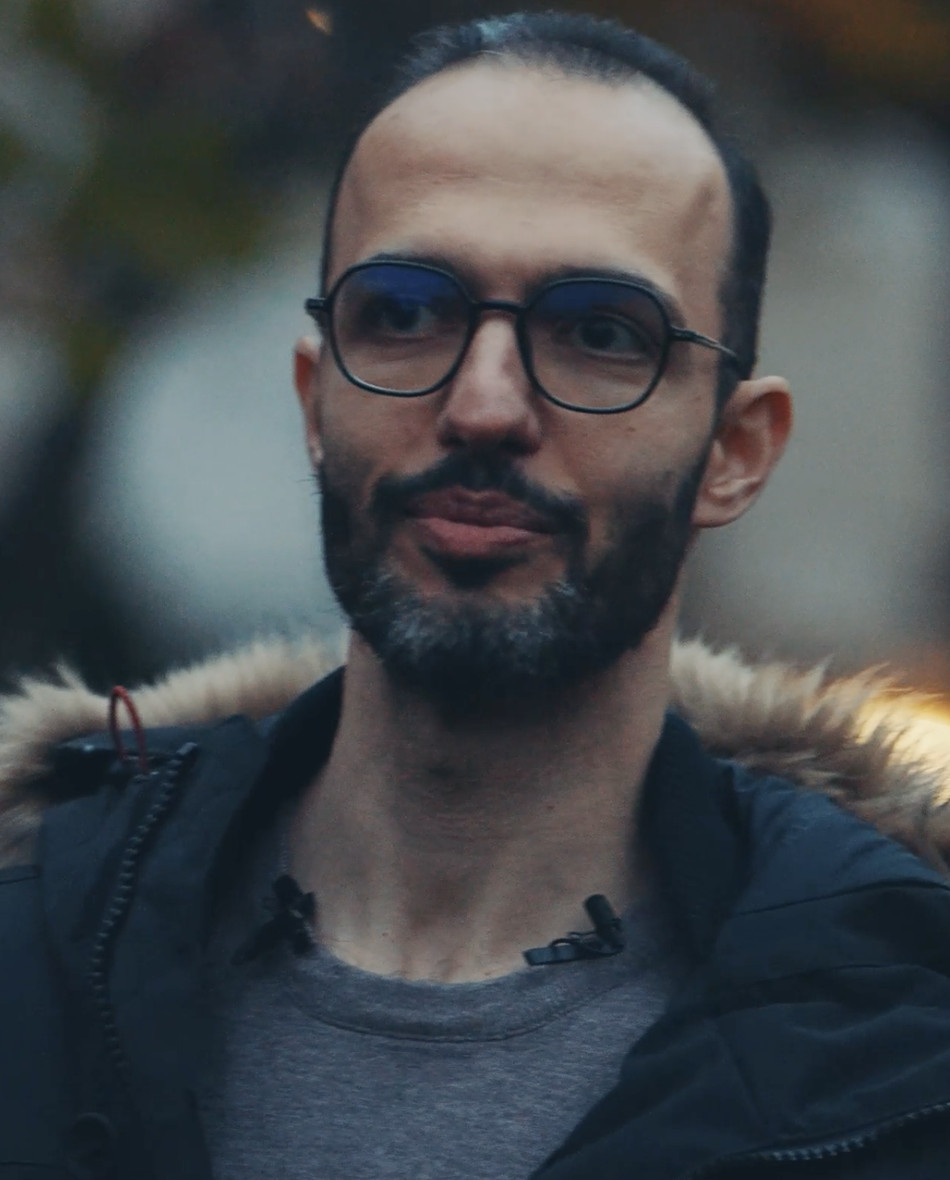
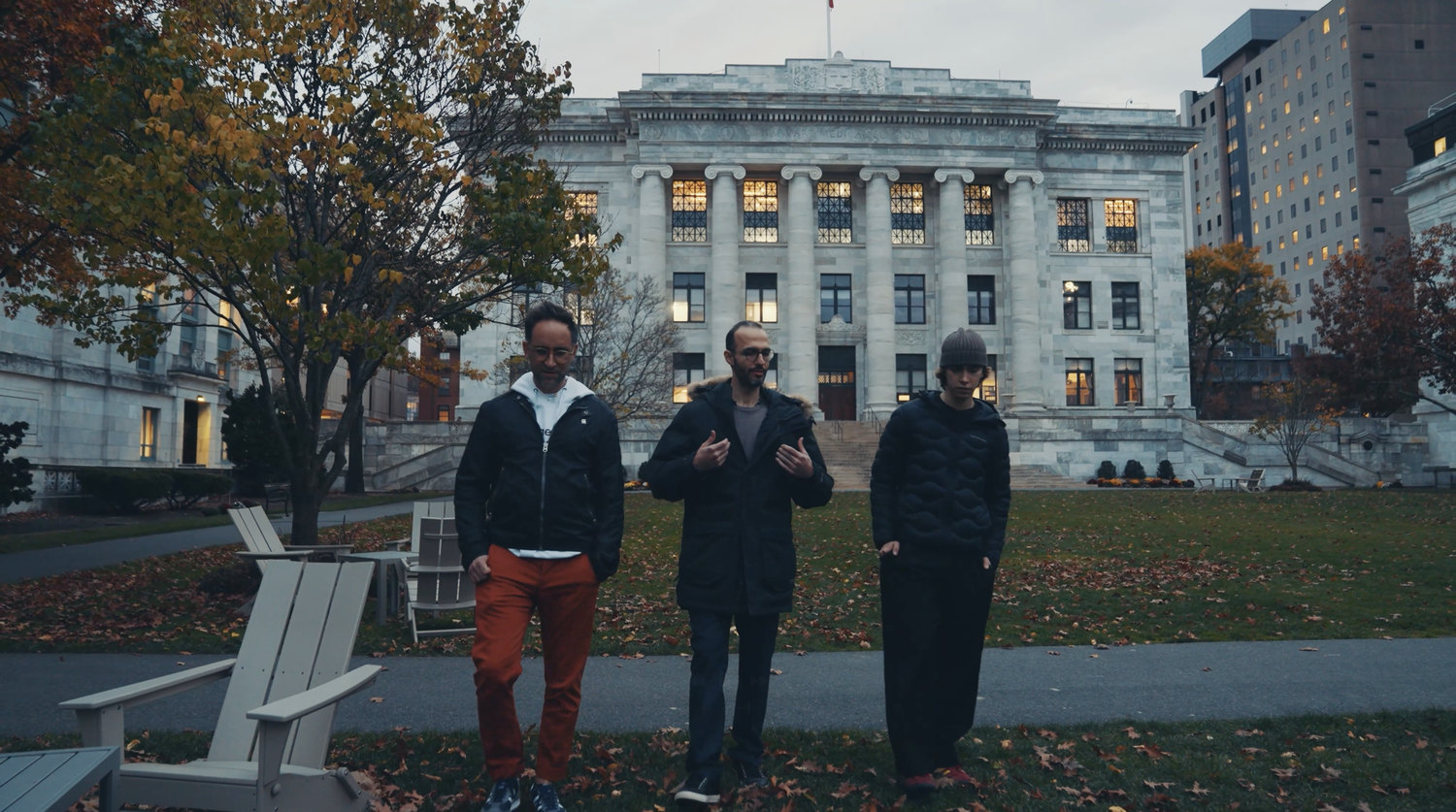
Mahdi Moqri during the Live Beyond interview in Boston, November 2024
Boston · November 2024

Four people, one park, one afternoon

Where we met

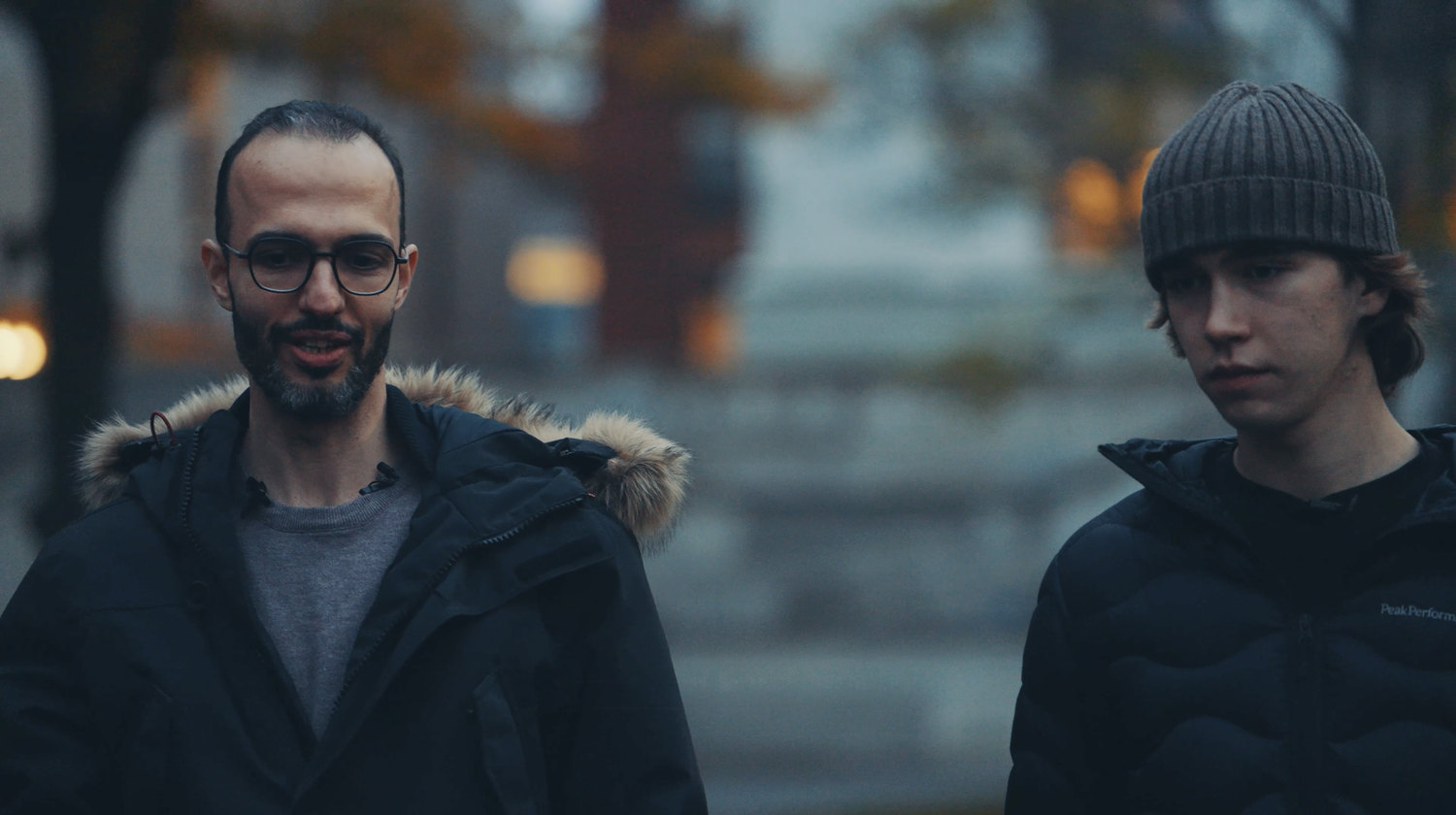
We met Mahdi in Boston in November 2024, at the Biomarkers of Aging Conference at Harvard Medical School — the conference he co-organises. It is the one stop on the quest where we were not chasing a single scientist across a country: four of the people who make this field run were in the same park on the same afternoon, and we filmed them one after another, walking. Mahdi Moqri, Jesse Poganik, Andrea Cipriano and Chiara Herzog, with Dane Gobel of the Methuselah Foundation. In the same few days we also sat down with George Church, Vadim Gladyshev, Vittorio Sebastiano, Andrea Maier, Nathan Cheng and Allison Duettmann.

Boston
Harvard Medical School · November 2024
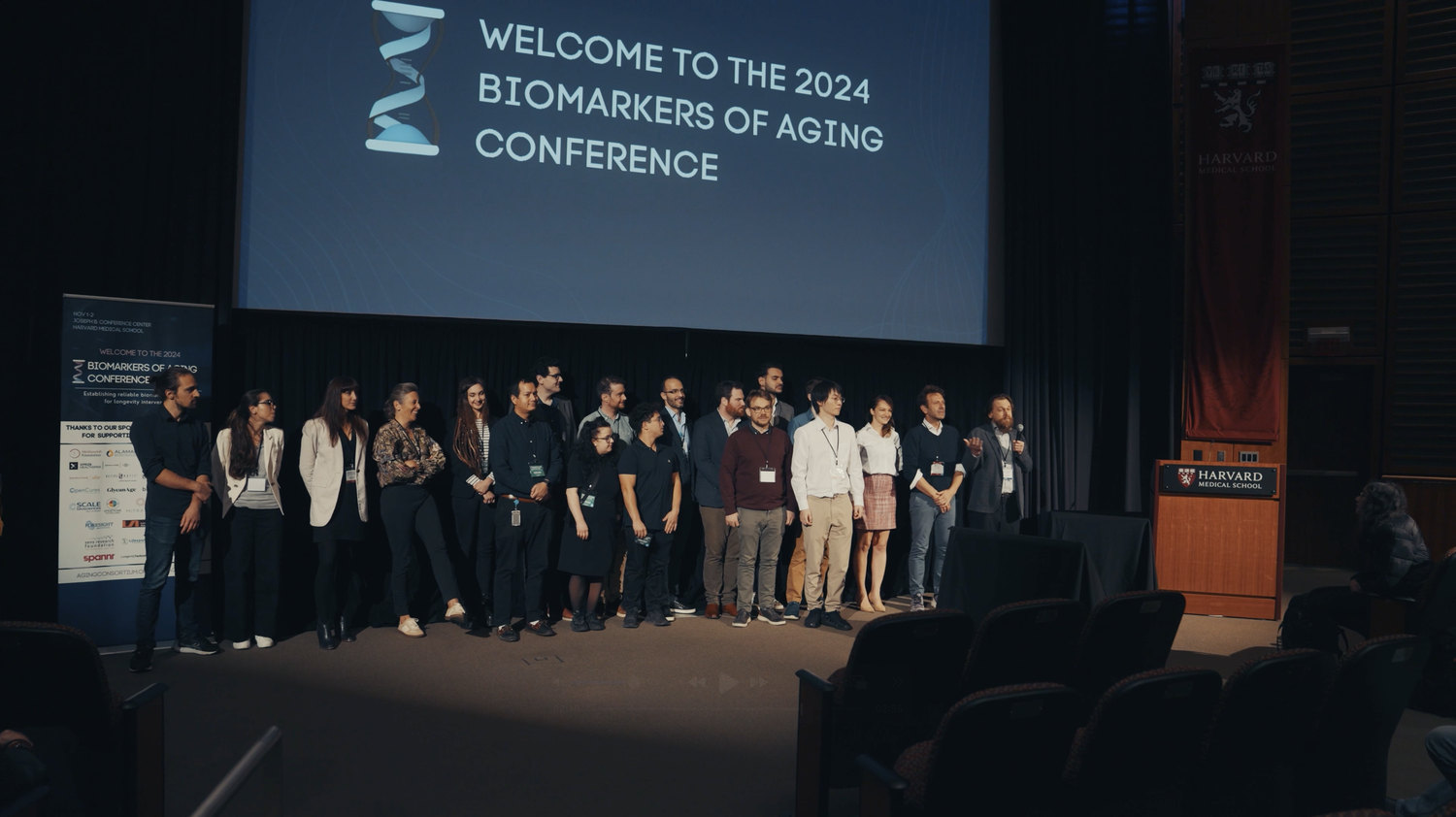
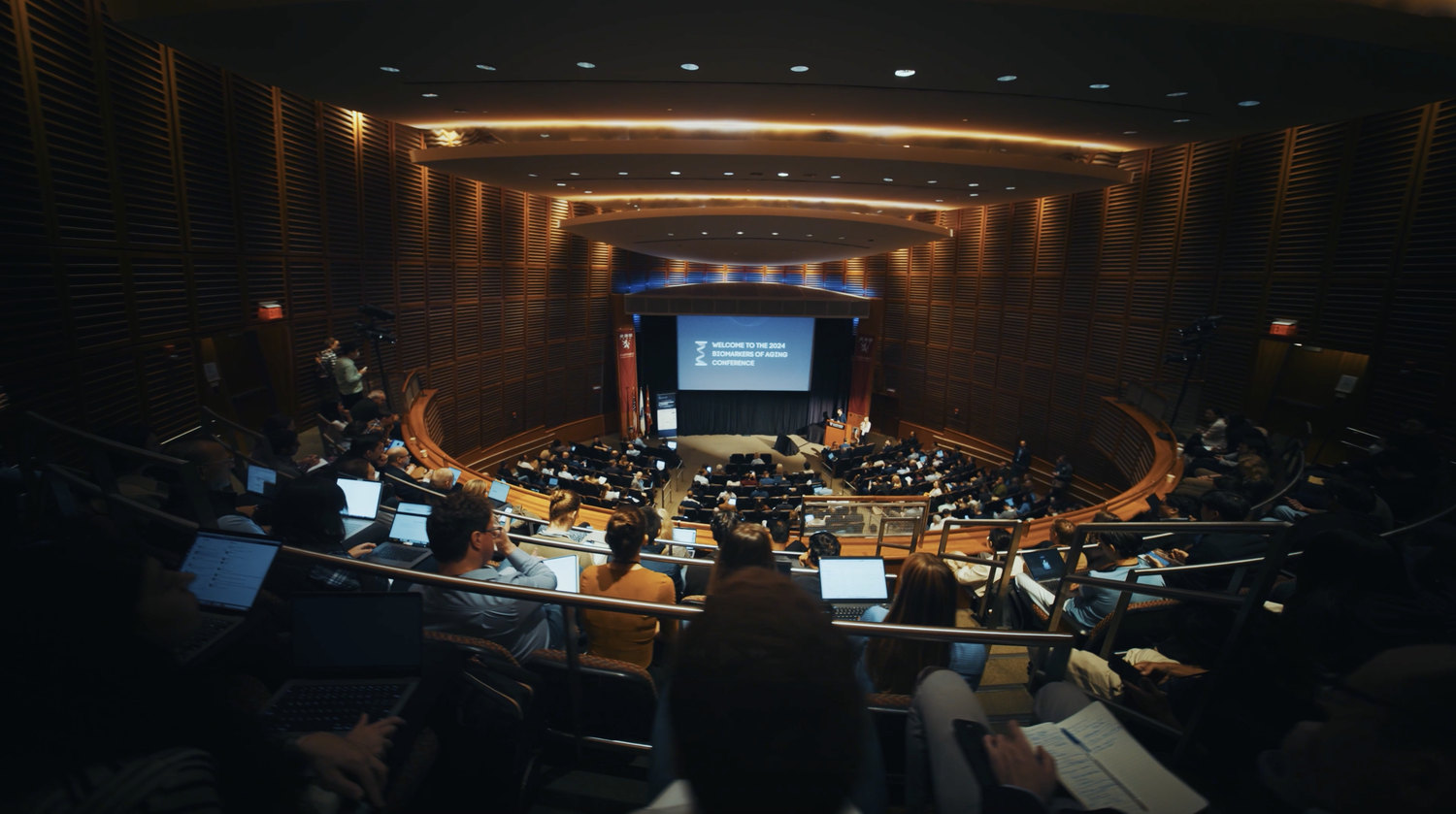
The Biomarkers of Aging Conference. Sold out for the third year running.
The park
Between the sessions
Filmed walking, one after another — Mahdi, Jesse, Andrea, Chiara and Dane Gobel.
Day one
Off the record
Deliberately, so people will show unpublished data. “The risk is high if you show data.”

“I need a measure to tell me if I’m older today than yesterday, and what do I need to do today to be younger than tomorrow.”

— Mahdi Moqri, Boston
In his words

Measure it first, then argue

“As an engineer, I look at human body as a very complex system. And if you want to maintain or optimize a complex system, the first step is to understand the principles.”

Mahdi Moqri · Boston

I can see that your hair is probably 40 years old and your skin is probably 35, but I don’t know how old is your liver, how old is your heart.

Mahdi Moqri

Now we know that the egg in female body start aging at 25. By 30, it’s already considered as a geriatric cell.

Mahdi Moqri

They think we already have them, and they think they are already reliable and at the clinical level. But we feel that we are not there yet.

Mahdi Moqri · on the kits people buy online

It’s just a number produced by an algorithm.

Mahdi Moqri · on the clocks themselves

My definition of aging is the loss of regenerative capacity… and it’s a constant fight against that loss.

Mahdi Moqri
In his own words

Straight from the interview

From our conversation in Boston — what he is actually building, what he thinks people have been sold, and what he takes himself.

What he is actually building

Not a drug. A measurement good enough that it can tell you whether anything you did worked — starting from how a body ages when nobody intervenes at all.

“The first step for us is understanding how we are losing those functional aspects of our organs, our tissue — and it’s normative aging, the normal way of losing those function.”

Boston · November 2024

The disappointment problem

The kits are already on sale. People have already been told their biological age. So when he stands up and says the science is not there yet, the room takes it as bad news rather than as honesty.

“When you go and present these results, people are disappointed because they already been promised so much and they already been sold these kits and these tests.”

Boston · November 2024

What he takes

Nothing. Not because he doubts the field — he co-directs it — but because on his own reading of the risk and the benefit, today, the arithmetic does not come out in favour.

“Personally, I’m not taking any medications or any supplements… they are more likely to harm me than help me.”

Boston · November 2024
Connect & follow

Explore Mahdi’s work

From the conversation

Mahdi Moqri, in his words

Video interview

The video interview is coming. Recorded interviews go live after the launch of the film & series Live Beyond.

Selected passages from our conversation with Mahdi Moqri — Boston, November 2024, walking between the sessions of the conference he co-organises. Cleaned of hesitation only; nothing inside a quotation has been reworded.

On looking at a body the way an engineer does

Mahdi Moqri“For me, it’s more about understanding and measuring aging. As an engineer, I look at human body as a very complex system. And if you want to maintain or optimize a complex system, the first step is to understand the principles. So I’m all about understanding better how we age. And the first step is measuring it better. Measure how we age normally, and if we are reversing it or slowing it down, can we show it in those measurements?”

On what a good measurement would tell you

Mahdi Moqri“We already know there are some interventions, some ways that you can improve your healthy aging. The easy ones are exercise, sleep, diet — but we don’t know which one is more important. We don’t know for you which one is more important, and we can measure those. If we measure how you are aging, we can then tell you: okay, your sleep is not helping your aging, you are aging faster because you are eating a lot of sugar. The other thing is, I can see that your hair is probably 40 years old and your skin is probably 35, but I don’t know how old is your liver, how old is your heart. And those are another aspects of these biomarkers, that they can tell us which one of your organs is the oldest.”

On how early it starts

Mahdi Moqri“Not just organs, but tissues, but even each cell of your body. Now we know that the egg in female body start aging at 25. By 30, it’s already considered as a geriatric cell.”

On what the public has already been sold

Mahdi Moqri“One big challenge is that the field and the community and the public, they all think that we already have these biomarkers. And because they are buying these biological tests from the market — they go online, they buy a kit and they say, oh, my age is two years younger or older. So they think we already have them and they think they are already reliable and at the clinical level. But we feel that we are not there yet. And when you go and present these results, people are disappointed because they already been promised so much and they already been sold these kits and these tests.”

On the gap inside the field itself

Mahdi Moqri“The other challenge is, even among the scientists who are building these biological clocks, still we don’t know how it works, and most of the field don’t have a clear understanding, mathematical understanding of these models. It’s just a number produced by an algorithm. And a lot of biologists are not mathematicians or statisticians, so it’s very difficult to deal with that.”

On why he is hopeful anyway

Mahdi Moqri“Maybe the best news about the field of biomarkers of aging is that now we have so much data, and these new mega cohorts and nationwide biobanks are producing huge amount of multi-omics — and every one of those omics, like thousands of measurement from every single blood draw. And we can’t process them using old methods or statistical methods. The AI is here to save us with all that data.”

On the conference, and why day one is off the record

Mahdi Moqri“I like that more and more people are becoming interested about attending to this conference. The conference was just about measuring the aging. It’s not about intervention. It’s not about drugs. It’s not about rejuvenation. Just the fact that so much people are just interested to come and learn about understanding aging and measuring it, with no promise that we can do anything about it — and still, we sold out. That’s the good news to me. And we sold out again for the third time.”

Mahdi Moqri“We are making sure that the day one is off the record, so people are comfortable showing data. So there are some data that wasn’t presented during this conference… the cost is high. The risk is high if you show data. We are all working on proteomics. If you show data and they publish one week before you, it doesn’t worth risking.”

On what the consortium is for, and what he takes himself

Mahdi Moqri“The main mission of our consortium is to identify reliable biomarkers for longevity intervention — not just for clinical drug discovery, not just for surrogate endpoints. For any kind of intervention, lifestyle, for… I need a measure to tell me if I’m older today than yesterday, and what do I need to do today to be younger than tomorrow.”

Mahdi Moqri“Personally, I’m not taking any medications or any supplements, because I have that cost-benefit analysis in my mind, and I know overall the risk of these drugs and the benefit. And so far, based on my overall understanding, they are more likely to harm me than help me.”

Mahdi Moqri“My definition of aging is the loss of regenerative capacity. It could be an organ, it could be a tissue, the body, everything. And it’s a constant fight against that loss of regenerative capacity. So every day it’s either more physical activity or better rest or better nutrition. And when I’m old enough, I need to take medical interventions.”

This was a walking interview between sessions, not a studio hour. More of the Boston conversations will be published as they are cut.

Continue the quest

More minds on the quest

Mahdi works on the Bridge of Prevention and in Creating the Movement. He was filmed the same afternoon as Jesse Poganik, Andrea Cipriano and Chiara Herzog.

Explore all 100+ experts