
The Live Beyond article series · 06
Let’s stop normalizing chronic disease.
Olivia Lesslar, the mind, heart and body doctor, on the illness we have learned to call normal, the pharmacy in your head, and how a doctor we almost missed became family.

A pill for the blood pressure. Another one to sleep. And a shrug: that’s just age, everybody has something.
We have learned to live a little ill all the time, and call it normal. The doctor who taught me to stop calling it normal had been that patient herself. And we almost never met her.
In February 2024, in Singapore, I showed her the tattoo on my hand and explained it:
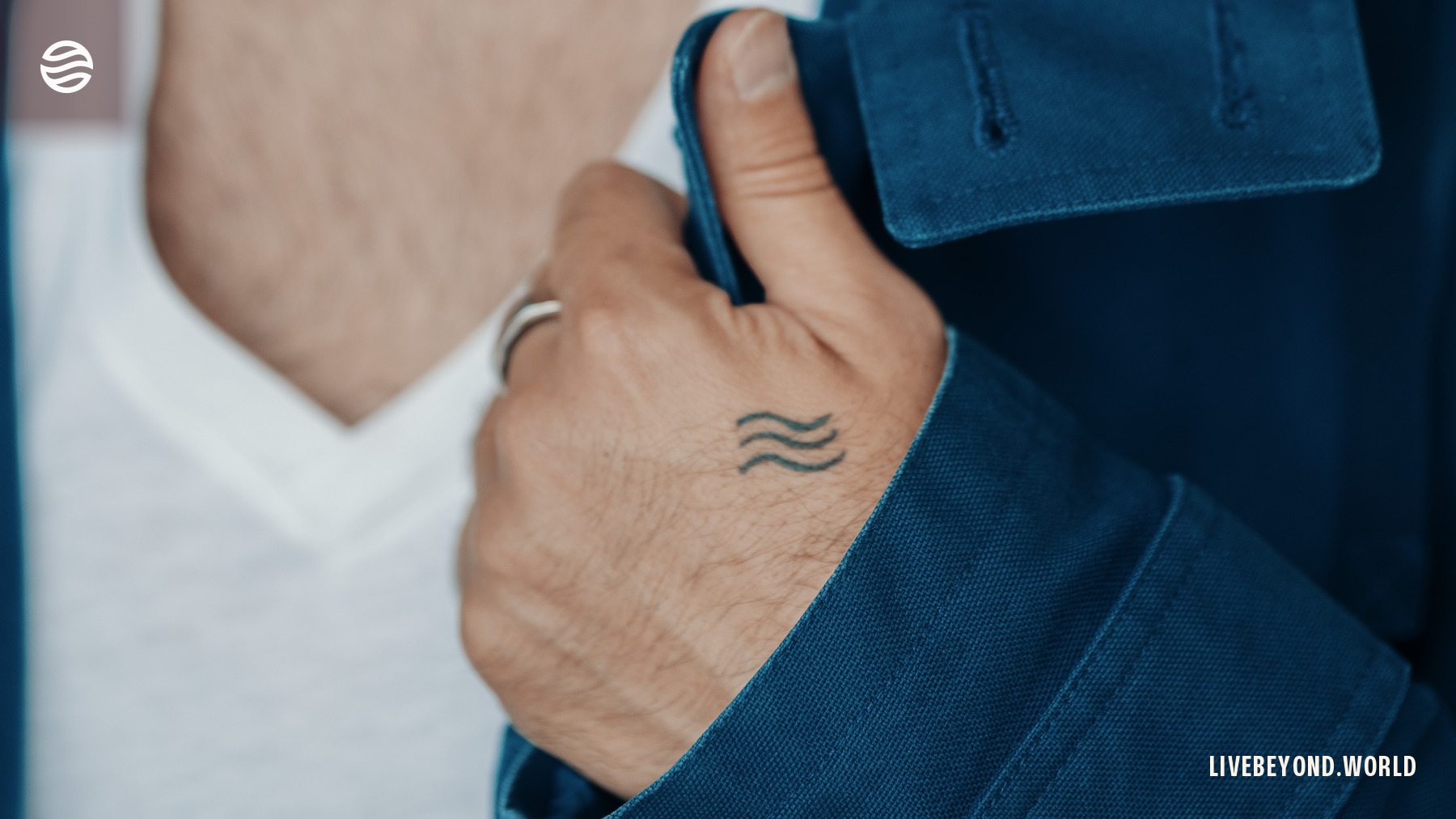
Marek: “The tattoo is about an integration of mind, heart, and body. When these three are aligned … then you can really flow in life and enjoy every moment of it.”
Olivia Lesslar: “I love that.”
Five months later, on Formentera, I greeted her on camera like this:
Marek: “Hello, Sister Olivia.”
Olivia Lesslar: “Hello, brother.”
This is the story of how a doctor we almost missed became family. And of what Olivia Lesslar taught me about the part of longevity nobody can sell you. It starts with a question almost no doctor asks.
The doctor we missed in Sydney
We went to Australia hoping to meet her. Nicole Gibson (the founder of the Love Out Loud movement) had recommended her: Olivia was a medical director at a clinic in Sydney. When we arrived, she wasn’t there. She was travelling the world doing what we were doing: empowering people by inspiring them about longevity.
A few weeks later we landed in Singapore for Andrea Maier’s conference, and there she was, on the first day. Alek and I fell for her straight away. The smile. The passion. Pure energy. And she was talking about something nobody else at that conference was talking about:
“I love psychoneuroimmunology, and as we were discussing before, that’s that intersection point between psychology, behavioral sciences, the nervous system, immunology, and endocrinology, i.e., funny enough, everything affects everything.”
In plain words: your thoughts, your nerves, your immune system and your hormones are one conversation. Change one, and you change the others. Which means there are far more ways to help a body than a pill.
After the interview we sat on the edge of the hotel swimming pool and talked for hours. A few months later, recording a voice diary on the road, I named her first among the people I believed would stay with us long after the quest:
“… who we connected deeply, like a lot. We talked for 3 hours at the swimming pool about longevity, about health, and about helping people to live longer and healthier and better.”
Let’s stop normalizing chronic disease
Olivia didn’t come to this through a textbook. She came to it through her own body:
“… I used to be sick, chronically sick, and I was collecting diagnoses like you’d collect Pokémon cards. But because it was so normalized, it was just the way it is. And I want to help patients not feel that way because they deserve better, you know?”
And she knows exactly how medicine usually answers:
“And the narrative now with medicine is, “Oh, you have symptoms, you have a disease. Yeah, lots of people do. Here’s another drug.””
“And no one’s talking about the fact, “Hey, hang on. Let’s stop for a second. Why do you have these diseases?” Let’s stop normalizing chronic disease. That’s what we need to do.”
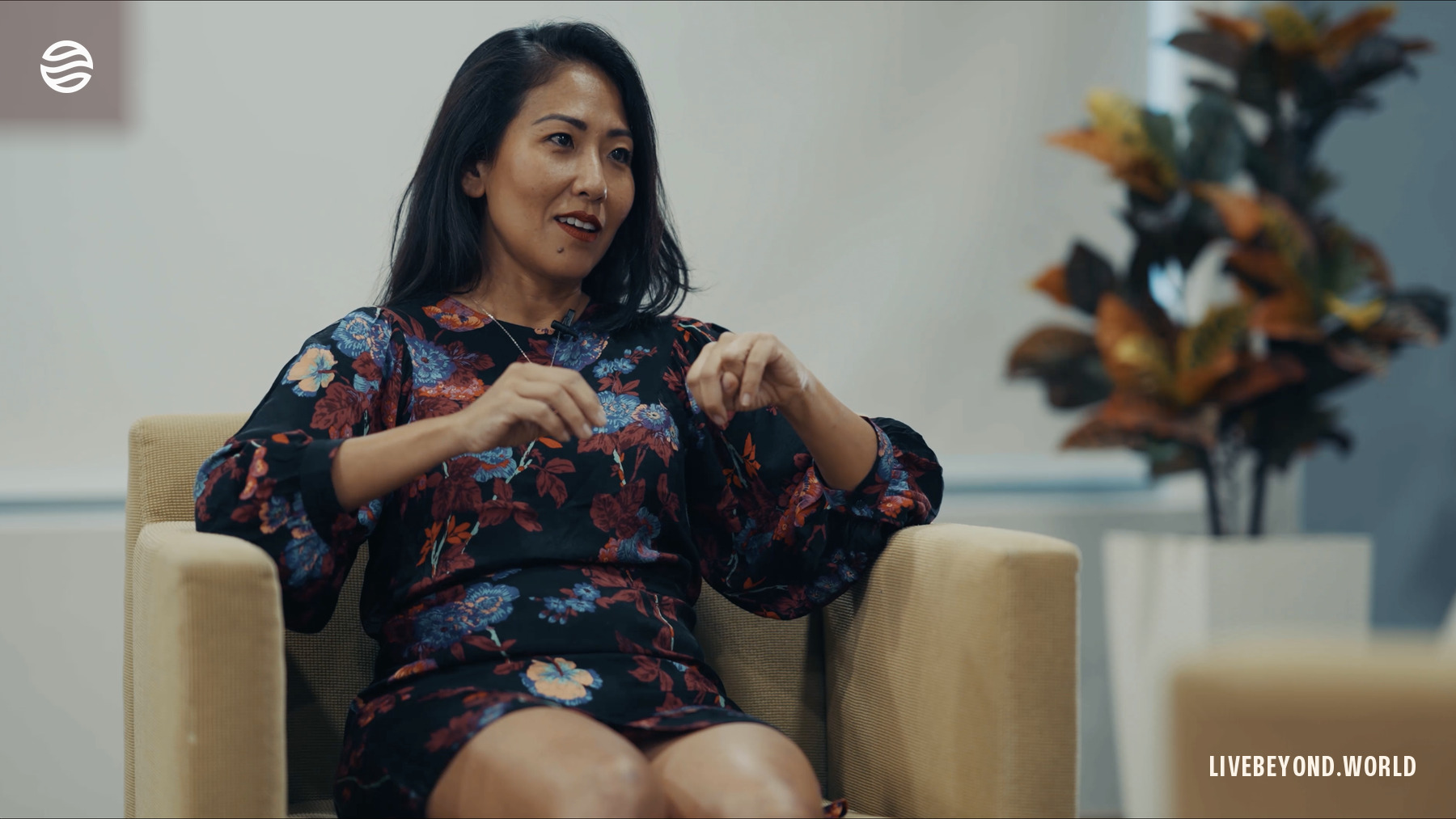
That is the question. Not which pill, but why. Normalizing is the list of pills that grows a little every year, while nobody asks where the illness came from.
Olivia refuses to. The patients who come to her have usually tried everything else first:
“Patients generally speaking have seen several doctors before they see me, or they’ve been on medications for a very long time and they know that it’s possible for them to probably get off these medications, or it’s a mystery as to why they’re sick.”
She doesn’t send them for every test there is. She looks for what she calls the major dominoes:
“… you just pick a couple. It’s a major domino. Those fall over or those get pushed over, and other dominoes fall over, and then you see what you’re left with, and then you work on a couple more major dominoes, right?”
And very often the first domino is not in the body at all. It is stress, an old trauma, a loss that was never healed. She is writing a hypothesis about it, a “threat detection network”: after trauma or a shock, the body starts to see danger where there is none, and keeps the inflammation running. Train the resilience, and the body calms down. That is her mission:
“I feel that my mission is to put the hard science into the soft science.”
“Why does healing emotions help with chronic disease? Why does healing emotions help with the risk for getting cancer? Why does helping someone with stress resilience improve their disease state? We know these things to be true.”
She also knows why so many doctors like her ended up where they are. When Alek asked her about her own choices, she told him:
“… so many functional medicine doctors, integrative doctors, doctors interested in health and optimization, got to where they are because they had to go through struggles, and usually it was health struggles. In my case, I lost my mom when I was seventeen to breast cancer. … I lost all my grandparents before I turned thirty. I myself was quite sick for a while there. … But I think that all of that made me the doctor I am now, or certainly the doctor I am now striving to be better for my patients.”
Her mother, her grandparents and her own years of being ill are why she won’t accept “that’s just the way it is”. She asks why, she finds the domino, and she treats the mind and the heart as well as the body. That is what stopping the normalization of chronic disease looks like in a doctor’s office.
The pharmacy in your head
I believe in epigenetics, because it connects science and medicine with our lifestyle, with spirituality, and with what we think and feel.
Doctors test every new drug against a placebo (a pill with nothing in it), because belief alone makes people better. That is the placebo effect: you expect to get better, and your body makes you better. In many trials, especially for pain and depression, roughly a third of patients improve on a placebo, and a new drug counts as a success only if it does better than that. And there is a dark side, the nocebo effect: you expect to be harmed, and your body makes you ill. Doctors know all of this. When I said that drug trials do take placebo into account, Olivia agreed, and then asked the question almost nobody asks:
“Yeah, you do. But nobody turns around to go, ‘Wait, hang on a second. Are you saying that there is a pharmacy in my brain that can make whatever it is that’s going to give me the symptom I think I’m going to have, or get rid of the symptom I already have?’”
In plain words: your brain can make the chemicals that bring on the symptom you expect, and the chemicals that take away the one you already have. In research, this is treated as “a bit of a statistical annoyance”. Olivia wants to use it:
“… let’s leverage placebo, let’s leverage the fact that you actually make these chemicals in your own body just by thinking about something, just by thinking about it. I mean, that’s profound, right? That’s where the fun stuff is.”
I told her my cat story. In the first days of the war in Ukraine, I invited a dear friend from Lviv and her family to my apartment in Warsaw. They were bringing their cat. I was badly allergic to cats: one touch, and I came out in a rash and struggled to breathe. But you don’t ask a family fleeing a war to leave their cat behind. So I told myself I could not have this allergy anymore. The cat came, and nothing happened. Since then I can stroke any cat. For me, this is the most amazing example of epigenetics I know: the power of the mind and the heart over the body, and what we can do in extreme situations, especially when we have no choice.
Olivia loved it. She told me this is exactly what she teaches: your mind and your heart can change what happens in your body. Today she tells my story in her own talks. She also has the science of the same power working the other way:
“… patients who were allergic to peanuts … If you put a powder in the room and you said, “Oh, there’s peanut in that,” they would have the exact same reactions, right?”
The same mind that can switch an allergy off can switch one on.
Not only what you eat. How you eat.
This is the sentence of hers I repeat most often:
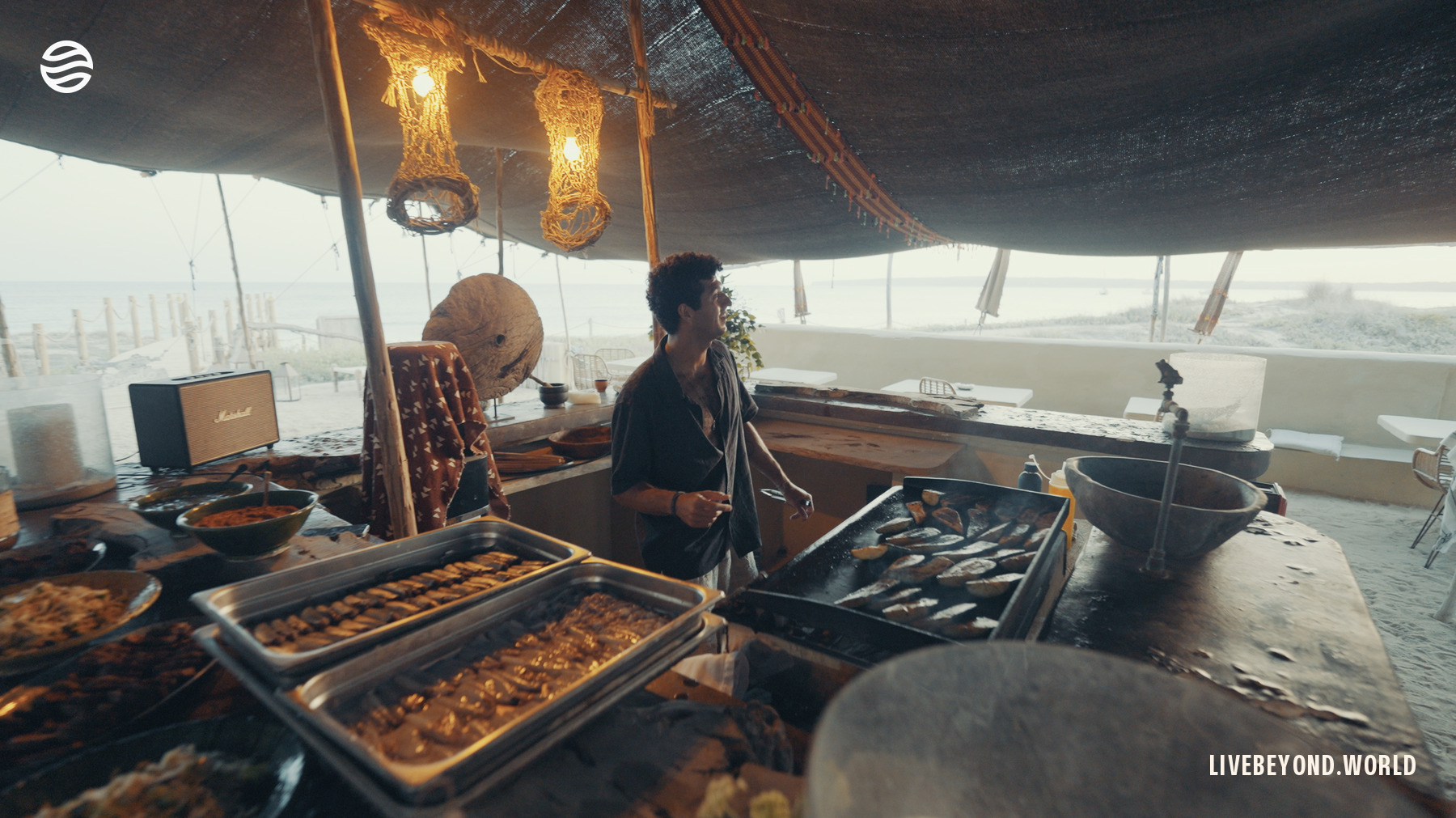
“I have seen patients do really well not changing what they eat, so they’re still eating rubbish, but changing how they eat. With gratitude, saying grace, taking the time, smelling the food, eating with friends.”
That doesn’t mean what you eat stops mattering. It matters a lot, and it is one of the first things on the Longevity Map, under Nutrition. When I asked Oz Garcia, a nutritionist we met in New York, what works best for most people, he didn’t hesitate: the classic Greek Mediterranean diet. Lots of vegetables and fruit, beans, grains that don’t spike your blood sugar, and plenty of olive oil.
Six months after Singapore, in Sardinia, I saw both halves of it on one table. The elders of Baunei eat much like that, with beans, vegetables and olive oil at the heart of it. And they eat together, slowly, every day, and they are never lonely. I wrote about them in Alone for months, never lonely. Eat well, and eat it with the people you love.
Master, not slave
Then I told her about the one gadget I am a huge fan of: a glucose sensor (a CGM, a small patch on the arm that shows your blood sugar on your phone, live). Wearing one was amazing for me. I finally understood what nutritionists had been telling me for years: it matters not only what you eat, but when you eat and how much. You eat, you look at your phone, and you see what that food just did to you. No theory.
If every teenager wore one for two weeks, they would see with their own eyes what a can of soda does to them. That could change a whole life.
So I asked Olivia which wearables she uses. First she told me about a patient who woke up in a panic because his ring said he had slept badly. They went through his whole day together, looking for the reason. Then:
“And then in the end, I said, “Wait, hang on a second. How do you feel?” And he’s like, “I feel fine.” I’m like, “Then don’t worry about it.””
“… you have to make sure that you stay the master of them and not the slave to a wearable.”
Marek: “So what speaks to you?”
Olivia Lesslar: “I don’t wear anything.”
I laughed, and showed her my ring. I hadn’t charged it for about three months. I had learned what I needed from it: with sleep, I learned to stop worrying, and that helped. I don’t need to check my sleep data every morning. I already know.
Today I don’t wear any wearables at all. I will put one on again when there is a system that turns the data into something I can really act on, not just charts that don’t help me. Use them to learn about yourself. Then be the master, not the slave.
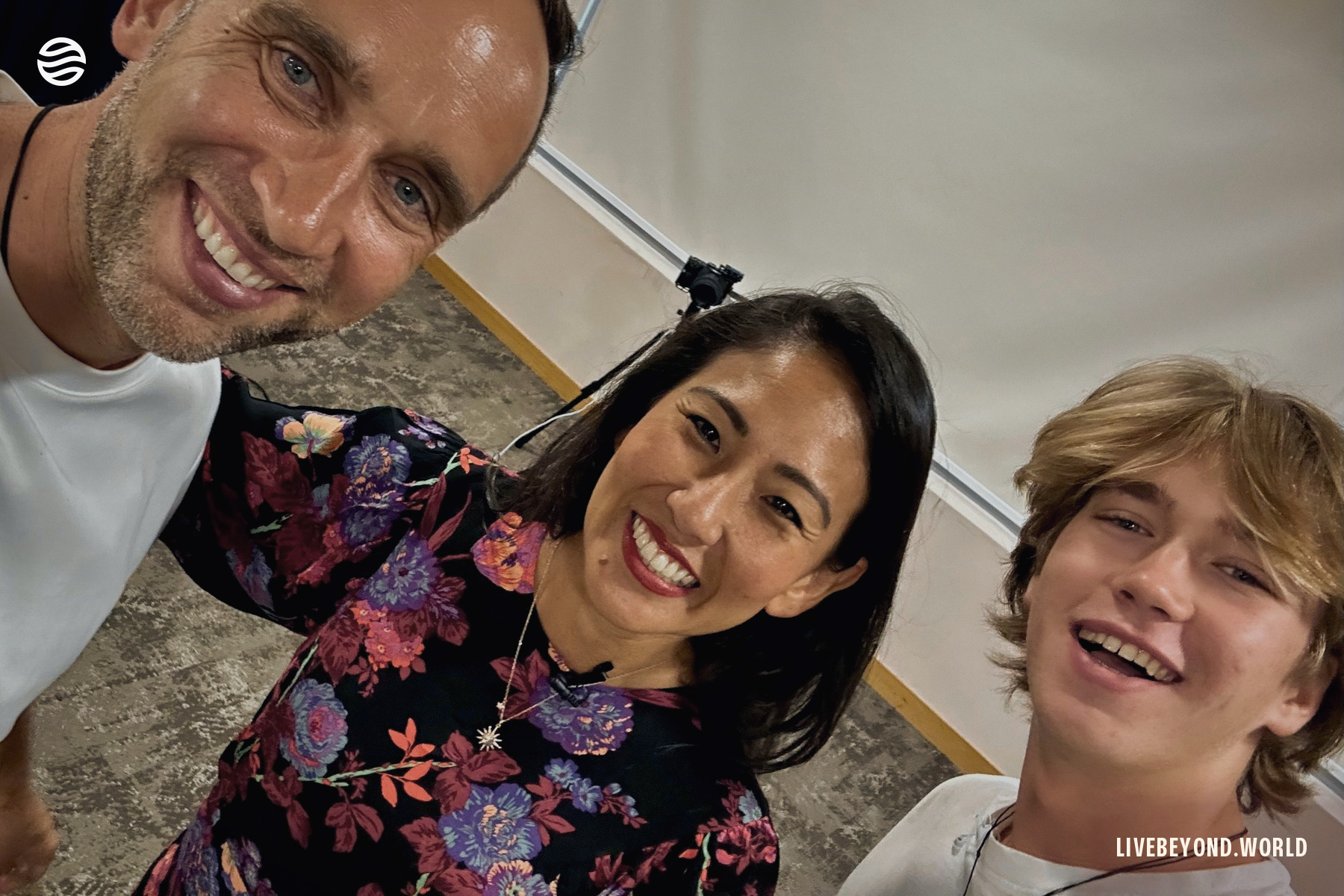
Live your youth
Alek asked her what his generation should do about longevity. I was ready for a list. She gave him permission instead:
“… the people with the best stories when they’re older are the people who lived their youth the way they wanted.”
“… you have a choice between telling them some really great stories about your adventures, kinda like this travel with your dad, or telling them about how you really optimize sleep.”
At the end, Alek told her we should stay connected for years to come.
Aleksander: “Let’s stay connected for the next amount of years.”
Olivia Lesslar: “No thanks.” (ha ha ha)
They were both laughing. Today, whenever Alek needs something, she is one of the first people he writes to.
Hello, sister
In August we were both invited to the same longevity retreat on Formentera, by Dr Tamsin Lewis. I didn’t know the host and didn’t want to go alone, so Olivia and I went together. She stayed a few days, I stayed two weeks. A boat, Mediterranean food, and somatic therapy with Mya Thieme.
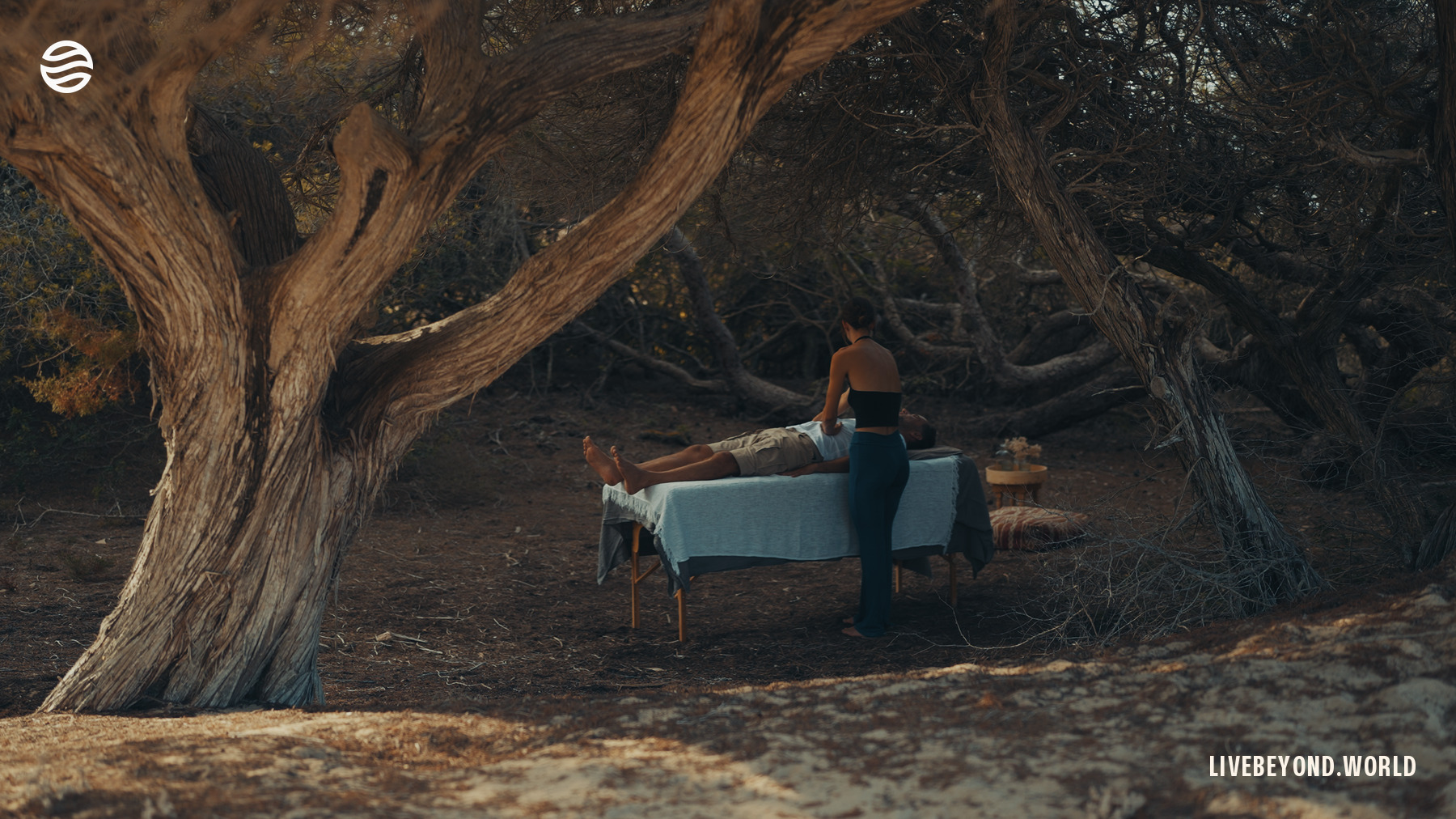
Our second interview was lighter. I had just learned that standing up is real exercise, so I told her my fun fact: for a grandmother, going to church is going to the gym. Olivia didn’t laugh at me. She gave me a study:
“… in a nursing home with elderly people, the only intervention was that when you’re standing up from a chair, you sit back down again and then stand up again. So it was like a mini exercise every time you stood up from a chair, but within a month, they actually halved their fall rate. So when they go to church, I imagine standing, sitting, standing, kneeling, standing, sitting. That’s actually going to be really good for your proprioception and your vestibular systems.”
(Proprioception and the vestibular system: your sense of where your body is, and your balance. Exactly what keeps an older person from falling.)

Then I told her my dream: one month in which the whole media talked only about health, prevention and lifestyle. That, I said, could add years of health to a whole population. Olivia agreed that it would work:
“… oh, you’d shift the needle like this overnight.”
And when I asked whether she would support me, she said:
“Of course, I will. I will support you even now. You let me know what you want.”
The mind, heart and body doctor
I took her at her word. Since that first day in Singapore, we keep meeting around the world. Singapore again. Bali, twice. London. Formentera. Somewhere along the way, Olivia stopped being a doctor I had interviewed. She became family.
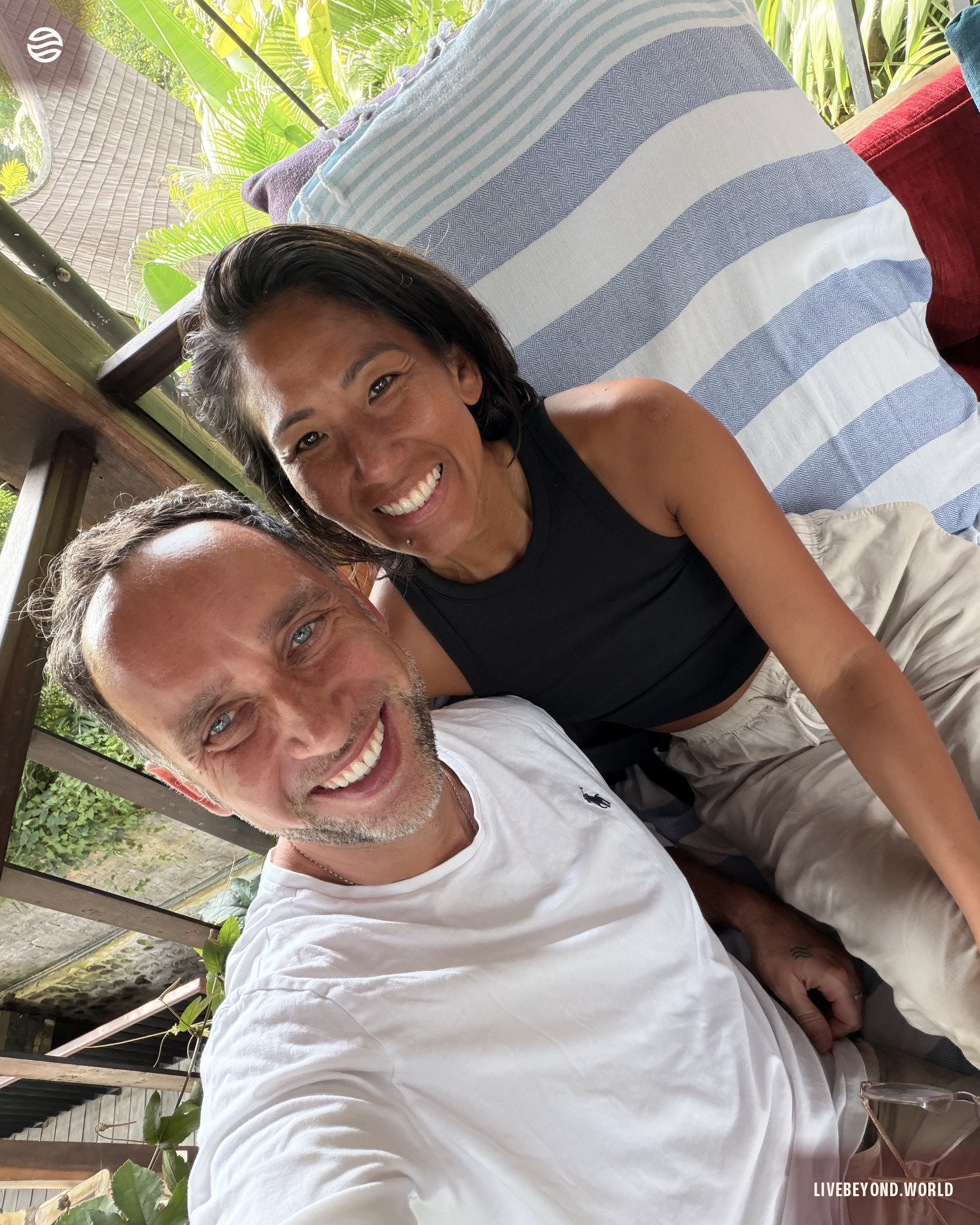
We share stages too. In Porto I invited her to speak at the Atlantic Health and Wellness Summit, and she gave an amazing talk. In Berlin we shared the big stage at Life Summit. And at the end of November we meet again on a big stage, this time in Poland: on 28 and 29 November we speak together at the ELEVATE Health & Longevity Summit in Warsaw.
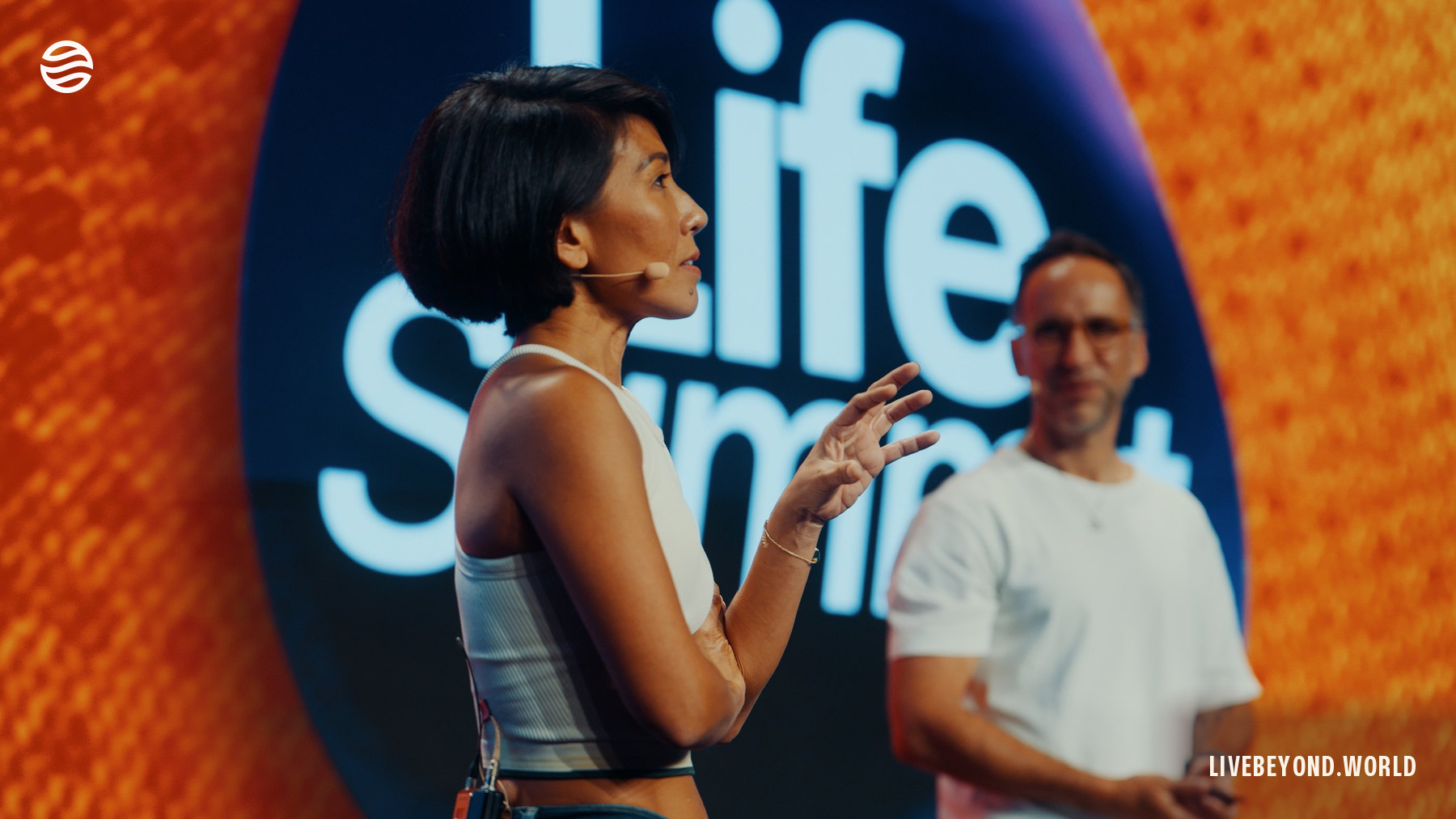
If you don’t know her yet: Olivia is a medical doctor working in functional and integrative medicine, and she is almost always on the road. She speaks at conferences around the world, empowering people to take their health into their own hands, and she helps patients across the world as the mind, heart and body doctor. I call her that because she sees connections nobody else sees, and then she finds them. That is why people come to her when nothing else has worked, and why Hollywood comes too: she works with stars like Chris Hemsworth. Yes, Thor himself. If somebody tells me nobody can explain what is going on with their health, I send them to her.
Then I asked her for something bigger. I asked Olivia to become the Medical Director of Live Beyond, and she said yes.
Why does Live Beyond need a Medical Director? Because nothing we recommend reaches anybody until it has been vetted. We don’t want to recommend anything to anybody until we are sure it is good for their health, for their longevity and for their joy. Every recommendation Live Beyond ever gives will be checked by a doctor I trust. (I will be vetting for the joy :))
In Singapore, at the end of our first interview, she gave us a wish for the quest:
“I think that the world needs good storytellers, and I hope that you’re telling a story that is going to touch as many people as possible.”
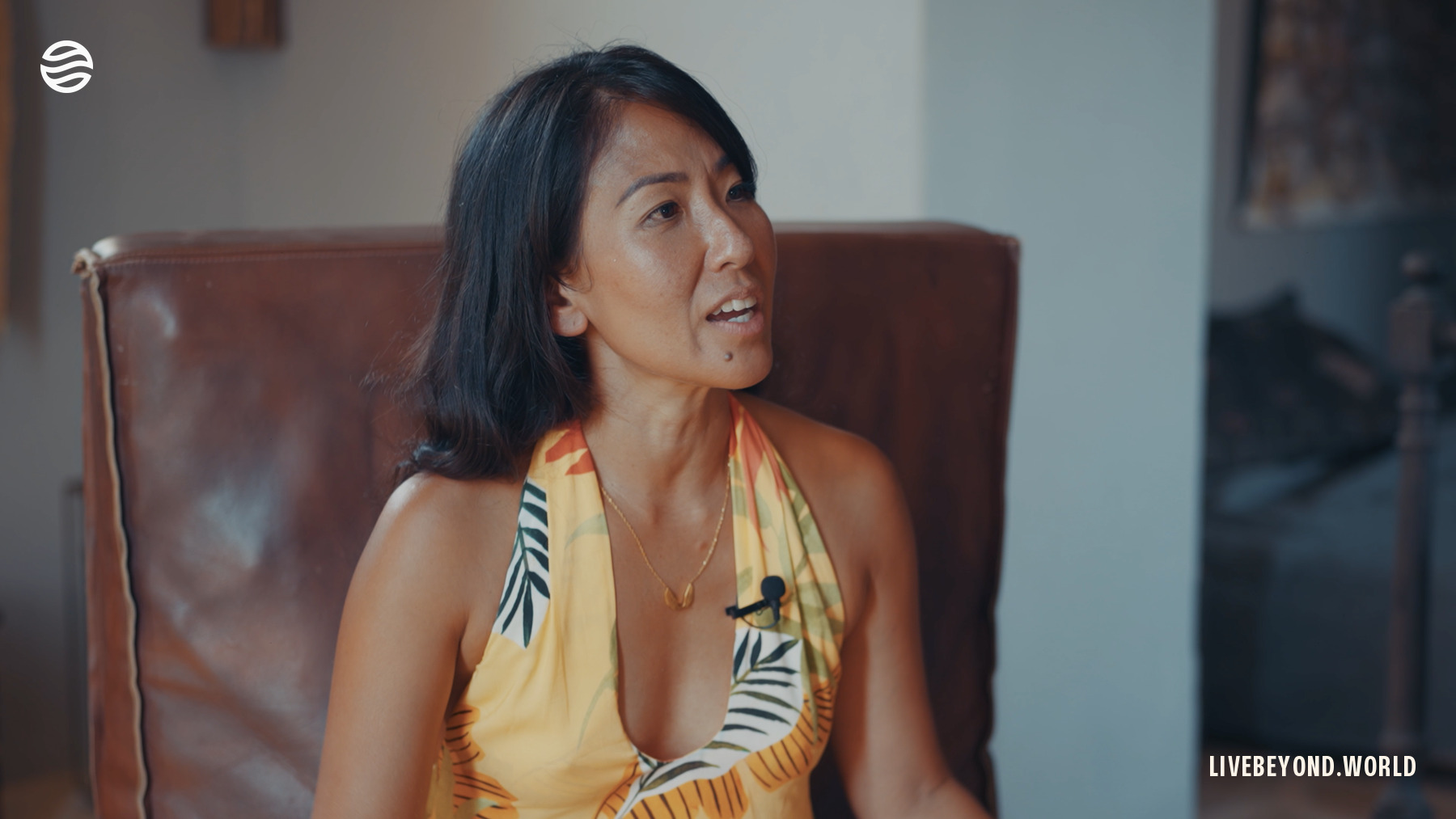
Olivia’s whole story, her research and her own words from both of our interviews, is on her page on the Live Beyond Hub.
And a question for you. Have you ever seen the mind heal something, or start it, in your own life or in someone close to you? Yes or no is enough. And if you want, tell me the story.
More from the quest
Earlier stories
- 05Aging is a disease. So let’s treat it.
- 04Alone for months, never lonely
- 03Book burning on a massive scale
Next week: the longevity clinics. The ones that tested me, what they do brilliantly, and what is still missing.
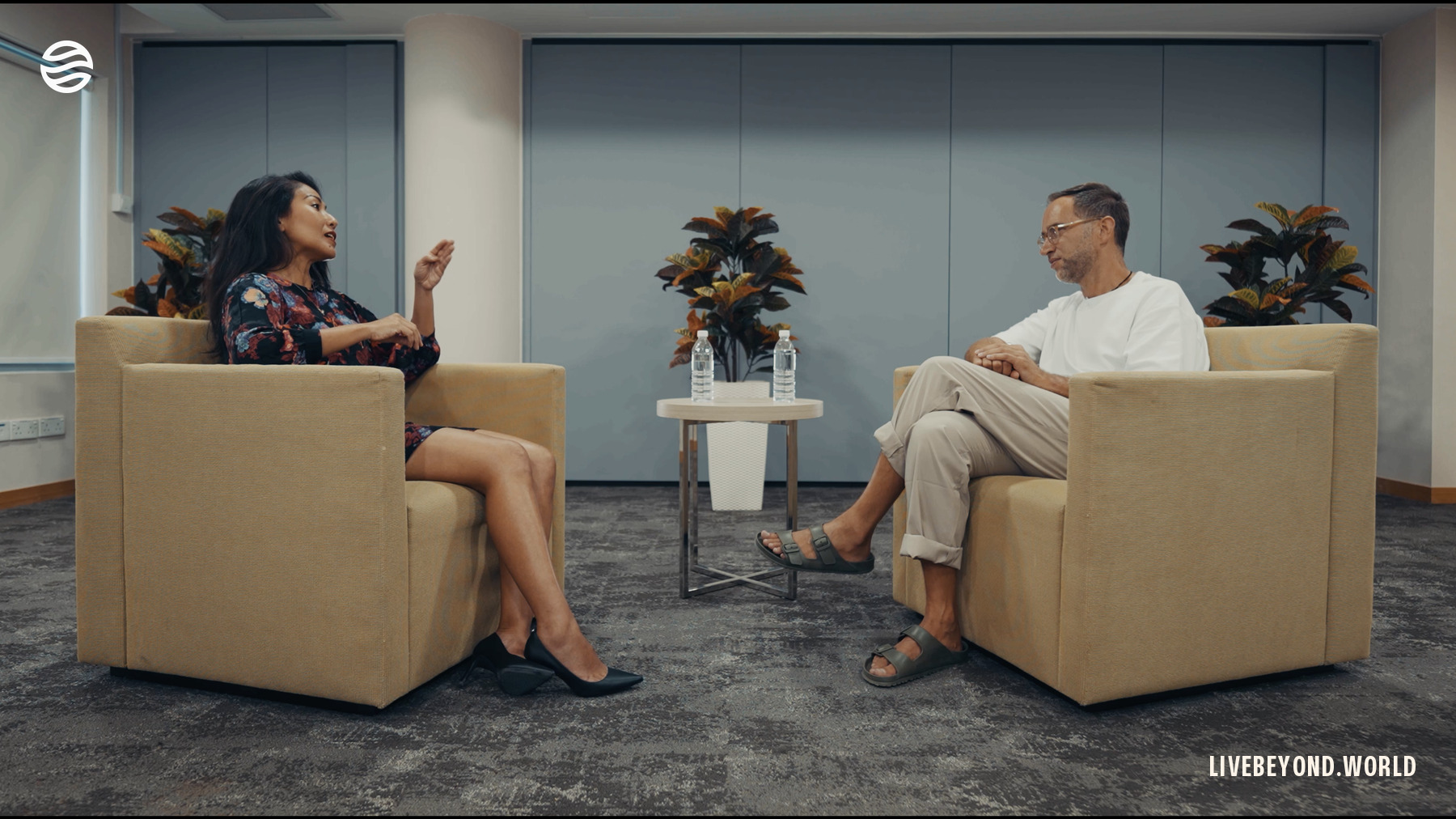
Olivia Lesslar and Marek during our interview, Formentera, August 2024. · Live Beyond
Where each quotation comes from. Olivia Lesslar, Singapore, February 2024. Olivia Lesslar, Formentera, August 2024. Marek Piotrowski, voice diary, September 2024.