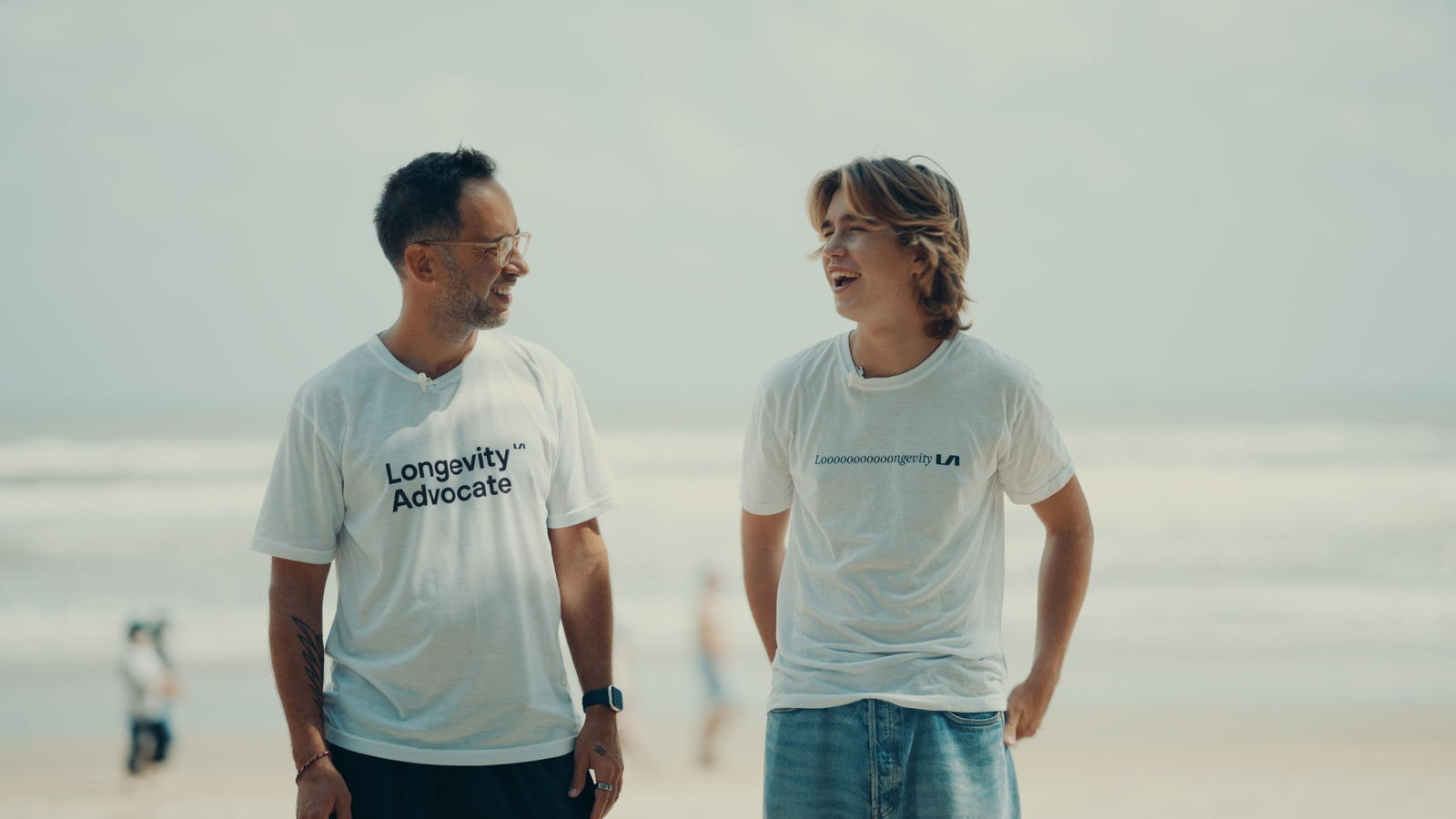
Longevity is the art and science of living longer, healthier and more fulfilling lives. That is our short definition. Here is what it means to us — after our quest around the world, and conversations with more than a hundred scientists, doctors, biohackers and healers.
Marek and Alek laughing on the beach in Da Nang, Vietnam.
Longevity is not only how long you live. It is how well you live: how many of your years are healthy and joyful. Years when you remember, when you enjoy things, when you move freely and stay close to the people you love. Years when you can still make love, and even have children, later in life.
So when we ask whether something is good for longevity, we don’t only ask “will it make my life longer?” We ask “will it give me more healthy, joyful years?” Everything that is good for your health is part of that game.
This is our definition — what my son Alek and I learned on the quest. There are many definitions of longevity, and some of the people we met see it differently. That is fine: this is how we understand it, and why we built Live Beyond around it.
Every span of a life
Lifespan is only one number. A long life is made of many “spans” — and each of them can be longer, or shorter, depending on how we live.
Lifespan
How many years you live.
Healthspan
How many of those years you live in good health, free of serious disease.
Joyspan
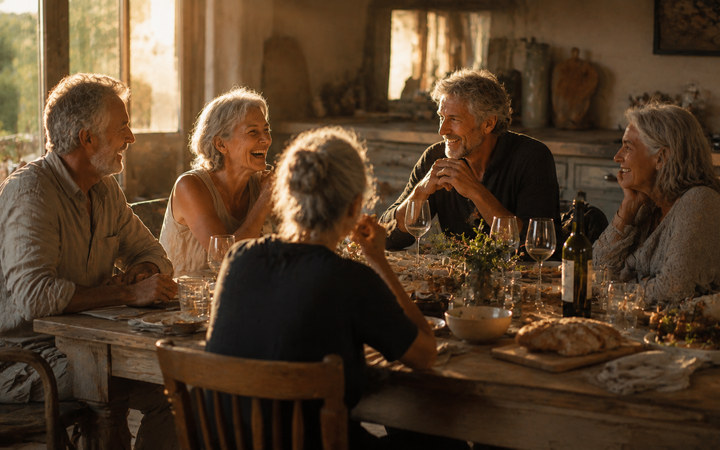
How long your life stays one you want to be in: purpose, love, things to look forward to.
Mind span
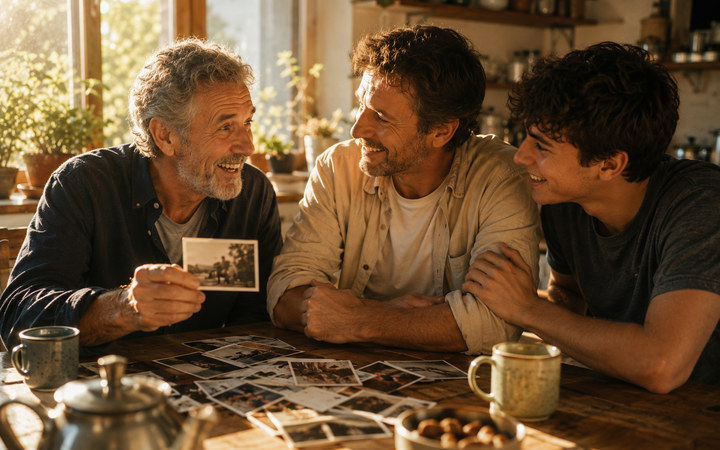
How long your mind stays sharp: memory, learning, curiosity, making your own decisions.
Fitness span
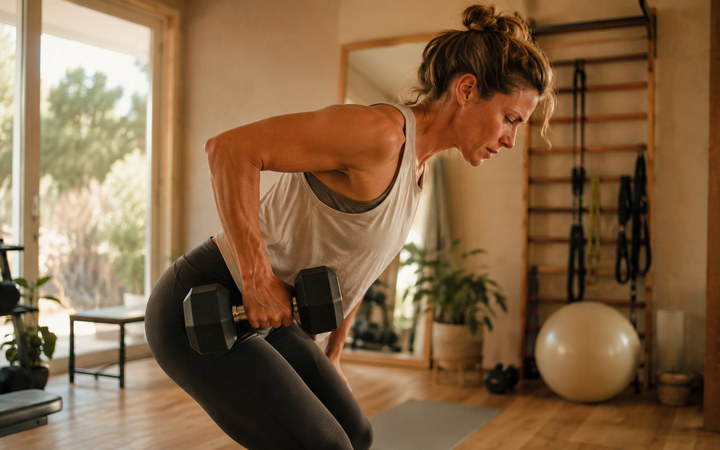
How long you stay strong and mobile, able to do what you love.
Sexual span
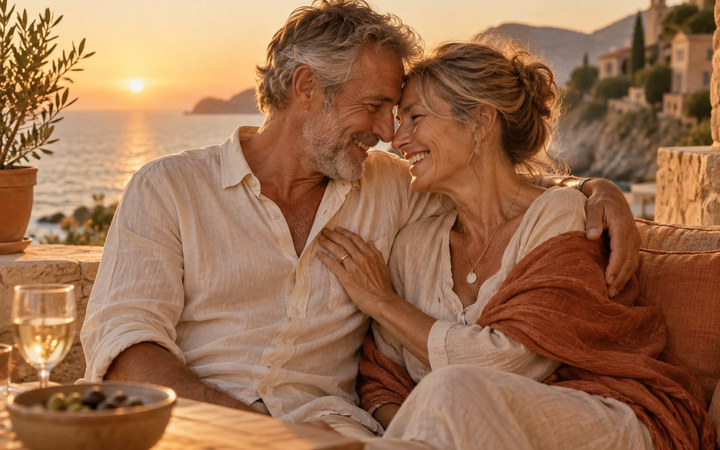
How long you keep desire, intimacy and a happy love life.
Fertility span
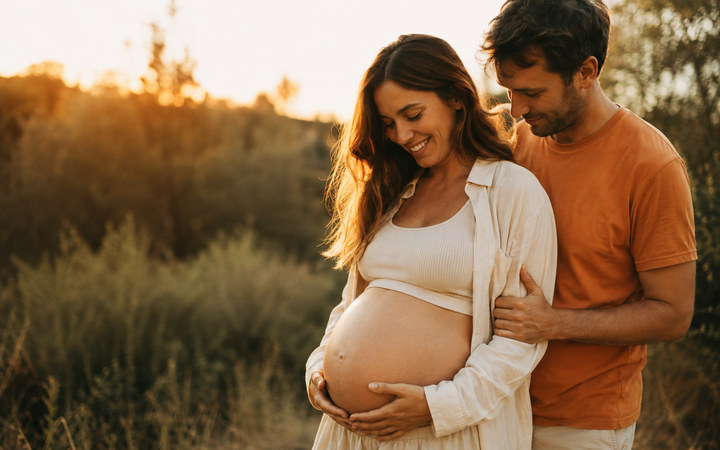
How long you can have children — and how the body ages along with it.
Beauty span
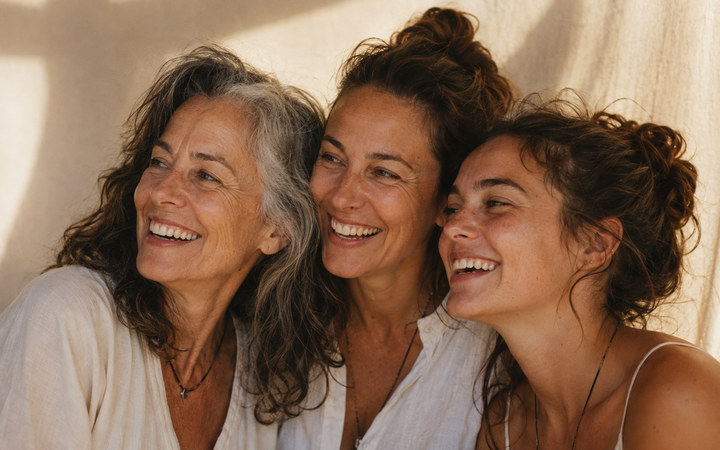
How long your skin, hair and smile stay healthy, and you feel good in your own body.
In their own words
We asked the people we met what a long life is for. Their answers, in their own words:
“Of course, without joy, you can have a beautiful body, and you can have beautiful genes, and your epigenomic age is very, very low, but you have to really enjoy the interaction with humans and with people because there needs to be purpose in life.”
“My take always has been that life is altogether too short, and each day that you spend where you’re not radiantly alive, if not all the time, at least for a portion of the day, if your blood is not singing at the thought of being who you are and doing what you do, then your life is wasted.”
In plain words: Longevity is not about surviving longer. It is about days that feel alive — and more of them.
“And what you have to do is learn how you can enjoy day by day the most precious gift of all, which is just feeling alive. I frequently say that each day is your life in miniature. […] So make the most of each day.”
“Yoga is the knowledge how you can live longer and happy in the world. Don’t be suffering. Even you have long life but suffer in your life, so for what?”
“So the point is, what the goal in your life? What you want to do in this life? That’s the most important. Not about long or less. You have a short life or long life. It’s not that.”
“what I would say at a personal level, right, is human connection, and I think joy is probably the underappreciated aspect of health span.”
“So it’s a two-way street. Healthy people are often happier, and happier people are often healthier.”
“20 years ago, 10 years ago, it was about don’t die. It’s about lifespan. Now, it’s about healthspan.”
In plain words: The field used to ask only “how do we not die?” Now it asks “how do we stay healthy for as long as we live?”
“for me, the ultimate enhancement is to maintain the performance of youth for longer, right? […] I can definitely tell you it takes me longer to learn things now than it used to when I was 20, right?”
“the goal is to keep them as more independent for the long time as we can. And to be independent, you need two main things. You need a brain that allows you to take your decisions, and you need a body that can move your brain to reach that decisions.”
In plain words: To stay independent, you need two things: a clear mind to make your own choices, and a body strong enough to carry them out.
“strength training at every age is critical.”
“I realized that sexual health is kinda like this next level of health. Like, once you are otherwise okay, you’re safe, you feel good about yourself and your relationship and all that, then you can start thinking about improving your sex, your sexual health.”
“the reason why this is so important is reproductive aging is very much connected to not only fertility potential of females, but also their overall health span.”
In plain words: How a woman’s reproductive system ages is linked to how her whole body ages — fertility is part of health, not separate from it.
“I believe in the concept of beauty span. […] the idea that beauty is something that you maintain over time by maintaining your own health. Your health reflects in your beauty just as much as beauty reflects your health.”
Lifespan vs. every span
Today, for most people, health, joy, mind, strength, love and beauty start to fade decades before life ends — and current medicine mostly stretches that decline. The longevity basics can keep every span high almost to the end: that is resilience. And science is working on the tools to move the end itself.
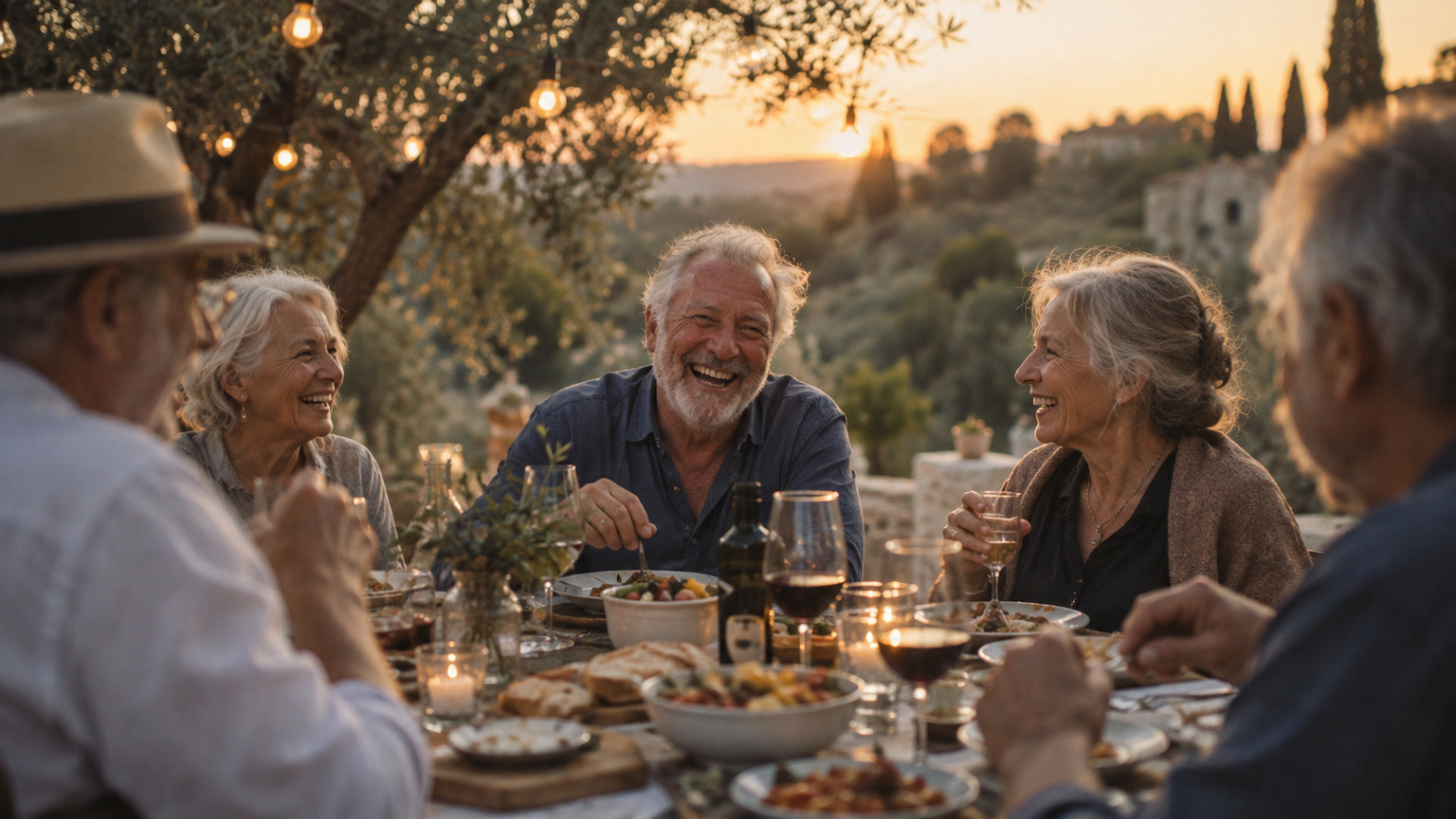
Illustration: friends laughing together at dinner.
Every span can be boosted — and almost always with the same things: moving, sleeping, eating well, staying close to people, checking in on your health, and doing it with joy. That is what the Longevity Map is for: it shows the whole game in five levels.
This is how we understand longevity today. We are working on this definition together with our scientific board, and a fuller version is coming soon. And we would love to hear yours: what does a long, good life mean to you?

 Lifespan
 Healthspan
 Joyspan
 Mind span
 Fitness span
 Sexual span
 Fertility span
 Beauty span